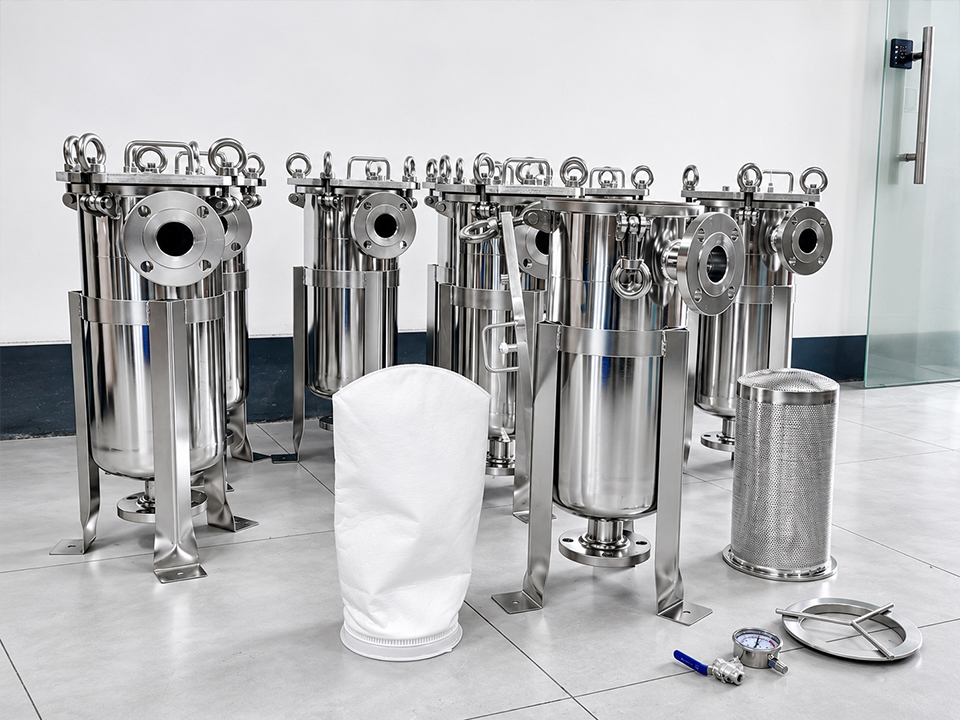
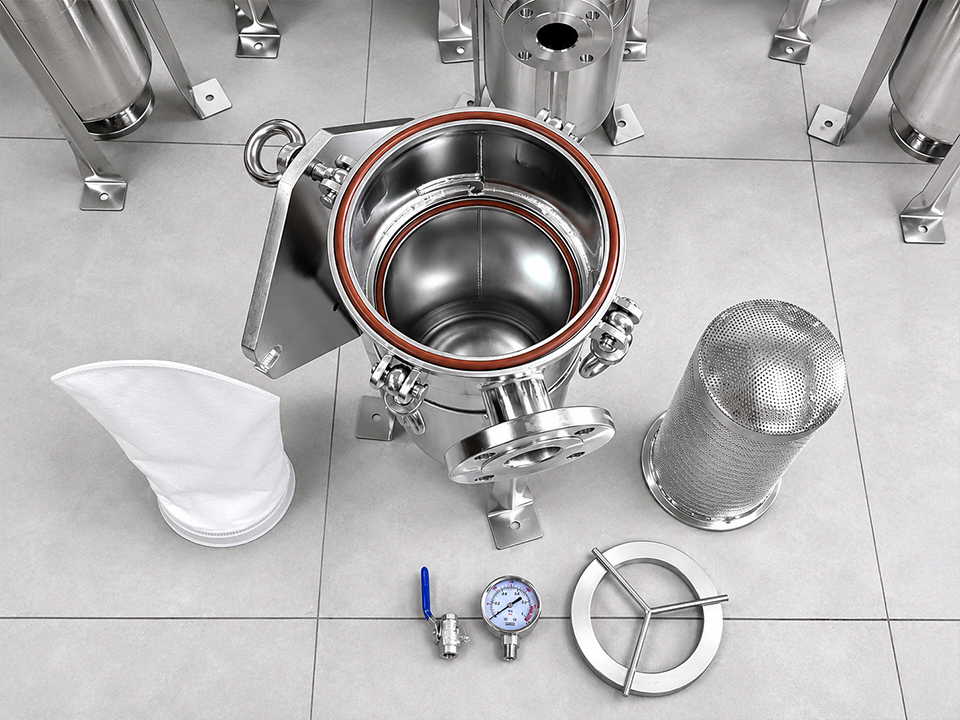
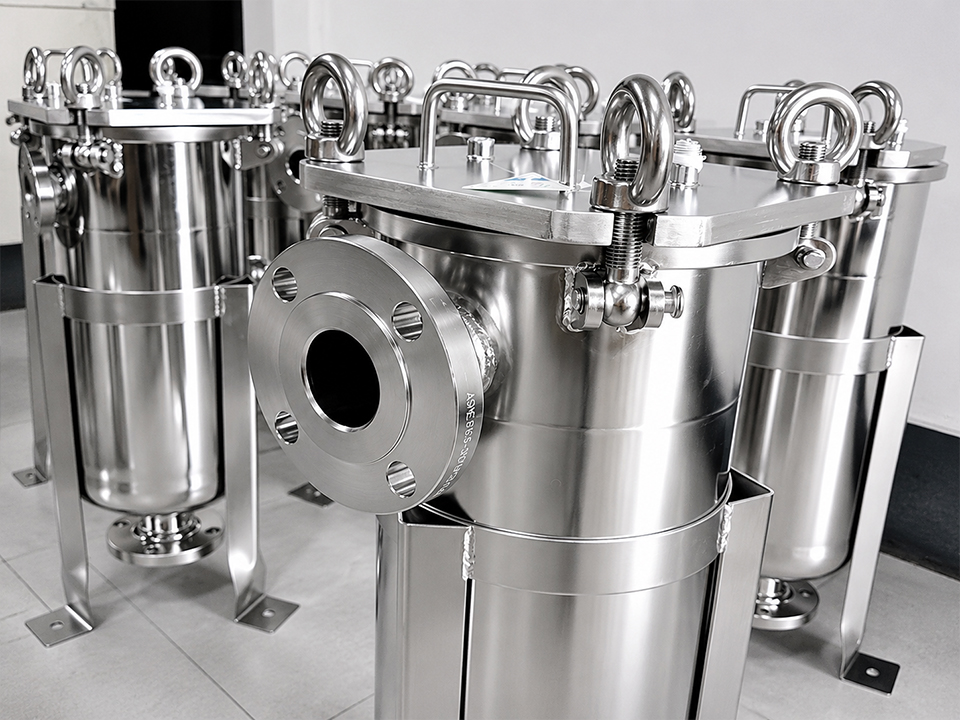
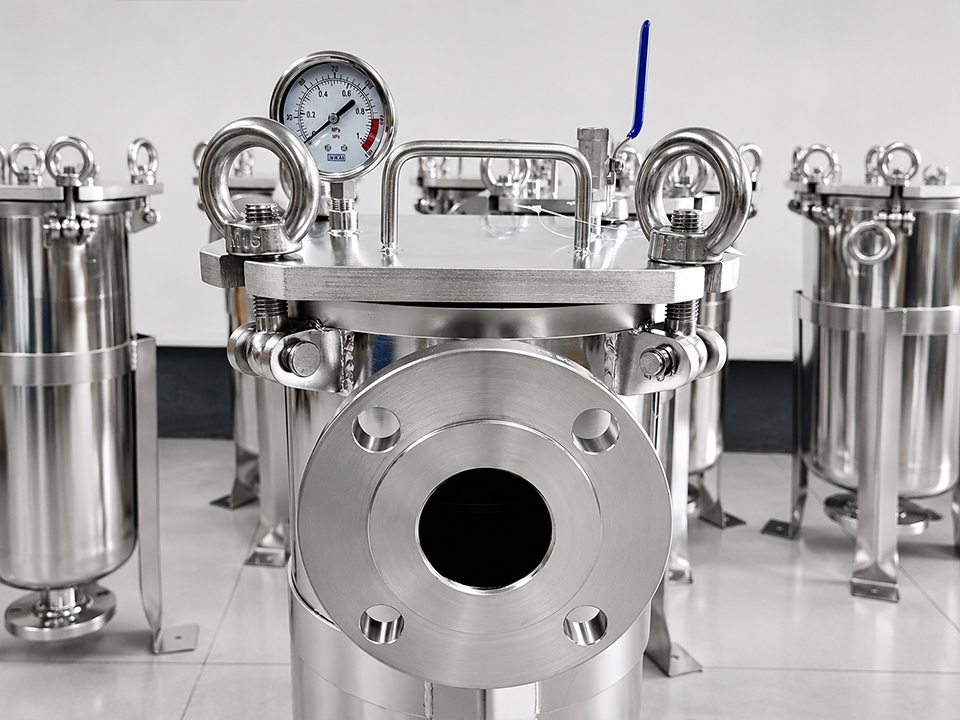
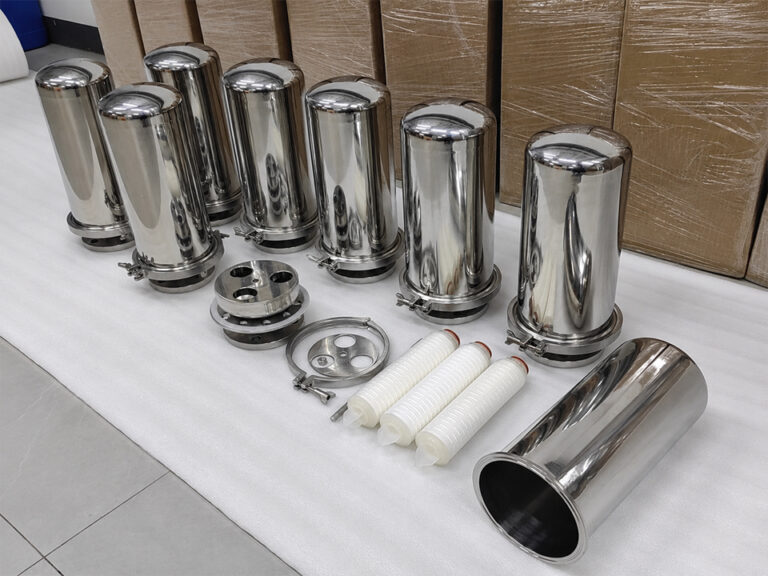
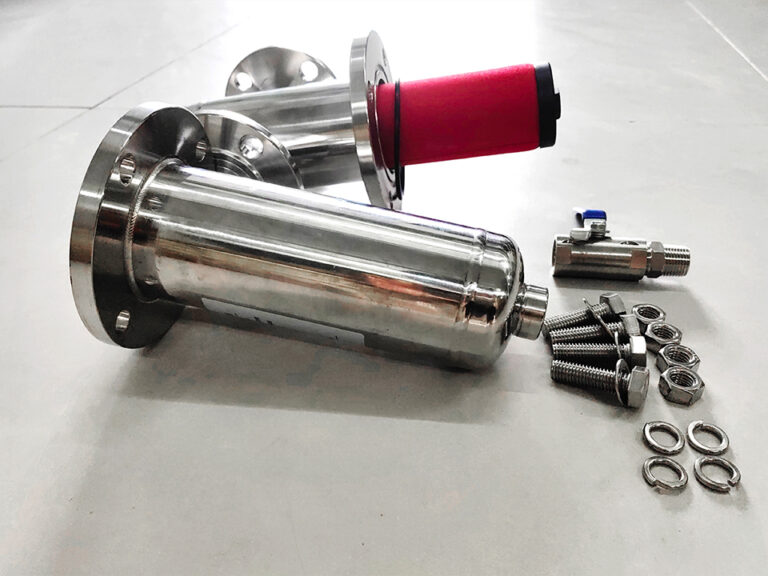
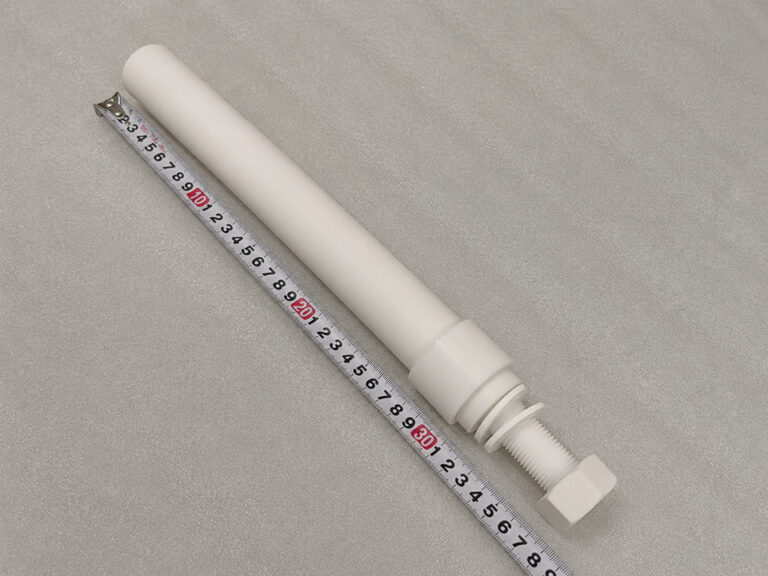
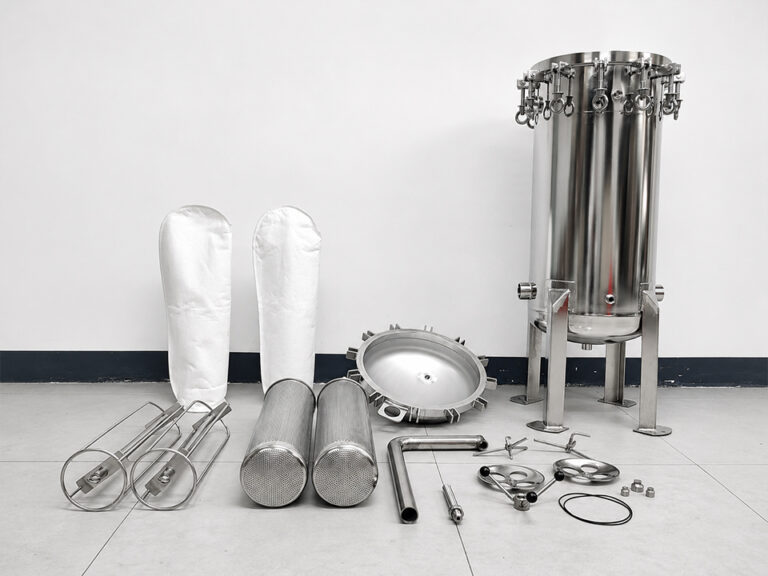
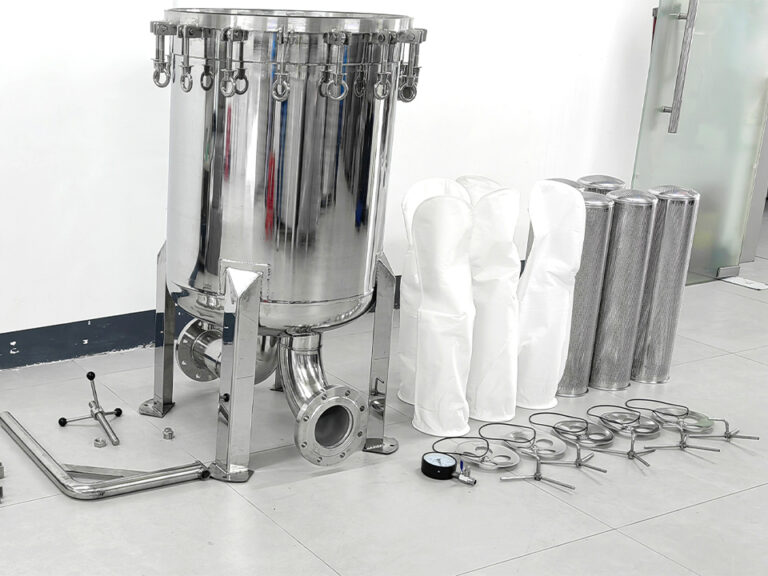
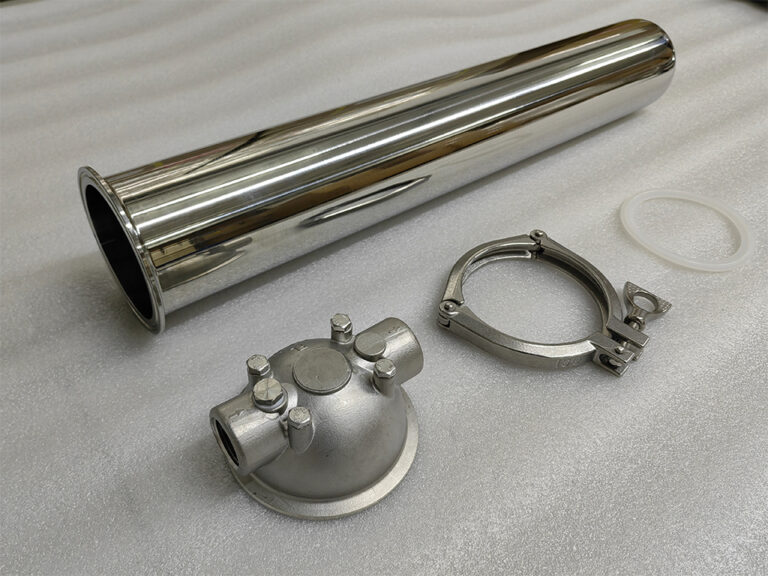
شركة قوانغتشو لفيوان لمعدات تنقية المياه المحدودة هي شركة تصنيع مرشحات صناعية تأسست في عام 2009 تقوم بتصميم وتصنيع علب المرشحات المصنوعة من الفولاذ المقاوم للصدأ، وخزانات المياه المعقمة المصنوعة من الفولاذ المقاوم للصدأ، وعناصر المرشحات، وأكياس المرشحات، ومواد البوليمر الفائق، ومنتجات المرشحات الملبدة. يختار المشترون Lvyuan لدعم تصنيع المعدات الأصلية/التصنيع حسب الطلب، ومراقبة الجودة ISO9001، وشهادات متعددة البلدان.
شركة قوانغتشو لفيوان لمعدات تنقية المياه المحدودة.
A filter housing rarely fails without warning. More often the warning goes unrecorded: a differential pressure reading that crept upward for three weeks, an O-ring replaced with an unknown compound, a clamp retightened by someone who left no note. A maintenance log for an industrial filter housing turns those small events into a traceable history that maintenance, quality, and purchasing teams can all use. This article gives you a practical log in four parts: an equipment baseline, a routine inspection sheet, a service-event record, and housing-type add-ons. It also explains why each field exists. It is written for maintenance planners, plant engineers, quality managers, and procurement teams who specify or look after stainless steel bag, cartridge, sanitary, and strainer housings.
What Should an Industrial Filter Housing Maintenance Log Include?
An effective log records four things for each housing, identified by its own tag number: fixed equipment data, routine pressure and leak readings, every service event, and the condition found whenever the housing is opened. Keep the first three on separate sheets. One giant spreadsheet that mixes static specifications with daily readings is hard to audit and easy to abandon.
Search results for this topic lean heavily toward HVAC filter-change logs. Those record filter size and replacement date, which is enough for an air handler. A liquid process housing needs more, because the failure modes are different: seal leakage, bypass around the element, rising pressure drop, product contamination, and trapped pressure when someone opens the closure. The templates below are built around those risks.
One rule applies to all of them. Log by housing tag, not by production line or plant area. When two housings on one line behave differently, only a per-housing record shows it.
Template 1: Equipment Baseline Record
Fill this sheet once, at commissioning, and update it whenever the element, seal material, or process fluid changes. It holds the reference values that every later reading is compared against.
Determines tools, isolation steps, and seal inspection
Material and finish
SS304 or SS316L; polished, electropolished, or as-welded
Guides corrosion and cleanability checks
Rated pressure and temperature
Values from the supplier’s documents
Reference limit; allowable conditions can be lower once the element and seal are chosen
الروابط
Tri-clamp, flanged, NPT, or BSP, with size
Defines spare gasket and fitting requirements
Element, bag, or basket
Part number, material, micron or mesh rating
Allows exact reordering and rating verification
Seal material and size
Elastomer type, dimensions, lubricant if any
Compatibility with fluid and cleaning agents
Process fluid and cleaning agents
Composition, pH, temperature, cleaning chemistry
Basis for material compatibility decisions
الضغط التفاضلي النظيف
ΔP with a new element at a stated flow rate
The baseline for every later comparison
Change-out trigger and maximum ΔP
From the manufacturer’s documents and process needs
Converts a pressure reading into a decision
Instruments
Gauge IDs, ranges, calibration due dates
Shows whether readings can be trusted
Record the clean differential pressure only with the flow rate attached. A ΔP value without flow cannot be compared with a later reading taken at a different throughput.
Template 2: Routine Inspection Log
This is the sheet operators fill in. Keep it to the fields that someone can read accurately in a minute or two at the housing.
Date / time
Initials
ضغط المدخل
Outlet pressure
ΔP (calculated)
التدفق
فحص التسرب
Note / action
(unit)
(unit)
(unit)
(unit)
None / location
Three practical points make this sheet more reliable.
Fix the units. Print the unit in the column header. A log that mixes bar and psi produces false trends.
Know the gauge error. When ΔP is calculated from two separate gauges, the result carries the error of both. On a coarse-scale gauge, a small pressure drop across a clean element may be barely distinguishable from reading error. Differential gauges or transmitters give a cleaner signal where the duty justifies them.
Set the frequency from the process, not from a template. After commissioning or an element change, read more often until you can see how fast ΔP rises. Then set the interval from that rate. A housing on clean utility water and one on a particle-heavy coating fluid should not share a reading schedule.
Template 3: Service Event Record
Complete one entry every time a housing is opened, whether for a scheduled change, a product change, a leak, or a quality problem.
Isolation points, method, verification that pressure is released, person who verified
Condition found
Element blinded, torn, or deformed; debris type; seal damage; corrosion or deposits at the closure
Parts replaced
Part numbers, seal material, lot numbers where traceability is required
Parts cleaned
Basket, mesh cartridge, or housing interior, and method used
Reassembly
Closure type, tightening method, who closed it
Leak test
Result at restart
ΔP after restart at known flow
Compare with the baseline
The “condition found” field produces the most useful information in the whole log. A torn bag, a pitted sealing face, and a blinded element each point to a different root cause, and none is visible in a pressure reading alone.
Reusable elements need two fields, “cleaned” and “replaced”. A basket in an industrial basket strainer with a quick-access cover and bottom drain is lifted out and washed rather than discarded. Recording the debris type and quantity from each cleaning tells you whether the upstream source is rust, scale, sand, or something else.
Record the energy-control step, not just the repair
The “isolation and energy control” row exists because opening a pressurized housing is a hazard in its own right. OSHA’s overview of the control of hazardous energy standard explains that 29 CFR 1910.147 covers the practices needed to disable equipment and prevent hazardous energy release during servicing and maintenance. The energy types it lists include hydraulic, pneumatic, chemical, and thermal, all of which can be present in a filter housing. That is a US general-industry standard. Requirements in other countries differ, and your site’s own lockout procedure governs. The log should record that the steps were carried out and verified. It does not replace the procedure.
Why Differential Pressure Beats a Fixed Calendar Interval
Replacing elements every X weeks is simple to schedule, but it is a weak basis for most liquid filtration duties. Calendar intervals ignore the contamination load, which can change with the fluid, the batch, or the season. A fixed interval will either discard elements that still have capacity or leave blinded ones in service.
Differential pressure is a better trigger because it measures how loaded the element actually is. Manufacturers publish their own limits, and they vary. Eaton’s operating manual for its bag filter housings recommends changing the bag at 1.5 bar differential pressure, with 3.5 bar the permissible maximum. It also advises a new bag at every product change and recommends recording inspections. Those numbers belong to that housing and bag combination. Do not copy them to a different housing, a different bag, or a cartridge system. Take your trigger value from the documents for your own housing and element, then adjust it for your process.
A pressure trigger has its own conditions:
It needs a stable or recorded flow. ΔP changes with throughput, so a reading without flow can mislead.
It needs trustworthy gauges. A stuck or uncalibrated gauge produces false confidence.
A falling ΔP is not good news. A sudden drop at constant flow can point to a torn bag, bypass around a seal, a missing element, or a gauge fault. Investigate before restarting.
Some wear does not show in ΔP. Seals harden, sealing faces get scratched, and chloride deposits form under clamps while the pressure drop looks normal. Keep calendar checks for seals, closures, instruments, and corrosion alongside the pressure trigger.
Use ΔP to decide when to change elements, and a calendar to decide when to inspect everything else.
Adapting the Log to the Housing Type
One template serves most housings, but each design has its own wear points. Add the following fields to the core sheets.
نوع السكن
Wear points to inspect
Extra fields to log
Typical servicing action
غلاف الحقيبة ذو المدخل الجانبي
Bag seal, restrainer basket, closure bolts, gasket
Bag size, bag rating, gasket material
Replace bag
Single-cartridge housing with clamp or threaded ports
Gasket size and standard, cleaning or sanitizing record, positions replaced
Replace gasket and elements
غلاف خرطوشة متكلس ذو حواف
Flange gasket, bolted cover, sintered element fouling
Fluid phase (gas, steam, liquid), bolting method, element cleaning method
Clean or replace per supplier instructions
مصفاة السلة
Basket debris, mesh lining, cover seal, drain
Debris type and quantity, perforation or mesh size
ارفعها واغسلها
عربة الترشيح المتنقلة
Pump, connections, each filter stage
ΔP per stage, pump running time, flow
Service stage by stage
Bag housings
A side entry stainless steel bag filter housing passes liquid through a single supported bag inside a stainless steel pressure vessel. The product page states that filtration rating, temperature limit, and chemical compatibility depend on the selected bag and gasket materials. The log should therefore carry the bag and the gasket as separate part numbers, so a changed gasket compound is never mistaken for a changed bag.
Cartridge housings with clamp or threaded ports
A single cartridge filter housing with a quick-release clamp combines a sealing ring, a removable mesh cartridge, and threaded ports. Because the cartridge is cleanable, log the cleaning method and the condition of the mesh at each opening. Record the sealing ring as a consumable with its own entry.
Sanitary housings
Hygienic duty adds seal and surface checks. A sanitary cartridge filter housing with clamp connections includes a pressure gauge and vent port, so both belong on the routine sheet. For larger flow, a sanitary multi-cartridge housing with Tri-Clamp ports holds 3 to 12 cartridges according to its product page, and that page notes that allowable conditions depend on the selected cartridge and sealing material. In multi-cartridge units, record which positions were serviced, not just that “cartridges” were changed.
For clamp joints, the LJ Star white paper on sanitary fittings best practices says the ferrules, gasket, and clamp should be inspected before a clamp connection is installed. It warns that overtightening the clamp overcompresses the gasket, and it recommends checking for clamps loosened by vibration. Add a “gasket and clamp inspected” tick box to the service record so those checks are documented.
Flanged sintered housings
A غلاف مرشح خرطوشة متكلس من الفولاذ المقاوم للصدأ ذو حواف is described by its product page for gas, steam, or liquid service, with flanged connections and a bolted removable section. Steam and gas hold more stored energy than a cold liquid line, so make “fluid phase” a mandatory baseline field and tighten the energy-control row accordingly. Follow the element supplier’s cleaning guidance for the sintered element and record the method used.
Basket strainers
A مصفاة سلة الفولاذ المقاوم للصدأ uses a removable perforated basket, with optional wire-mesh lining, behind a cover held by swing eye bolts. Log the debris collected and any deformation or tearing of the mesh. A damaged basket lets solids pass to the pump or exchanger it was installed to protect.
Mobile filtration carts
A عربة تنقية متنقلة مصنوعة من الفولاذ المقاوم للصدأ combines housings, a centrifugal pump, piping, valves, and pressure instruments, and can be configured as single-stage or multi-stage. Give each stage its own ΔP column. Without that, a blinded second-stage cartridge can hide behind a combined reading.
Common Logging Mistakes
Writing “OK” in place of a number. A reading that says “OK” has no trend value. Record the pressure.
Logging ΔP without flow. Readings taken at different throughputs cannot be compared.
Logging by line instead of by housing. Individual vessel history disappears.
Recording “element replaced” with no part number. The next buyer cannot confirm the rating or reorder the right item.
Skipping the post-service reading. The first ΔP after restart is the best check that the element is seated and the closure is sealed.
Leaving seal material blank. Fluid compatibility problems often trace back to a swapped O-ring compound.
Consider a hypothetical example. Two identical bag housings run the same fluid on parallel lines. Housing A reaches its change-out ΔP about twice as often as housing B at matched flow. Without per-housing records, both would be on the same calendar. With them, the team can check whether housing A has a different upstream source, a mismatched bag, or a faulty gauge. This is an illustration of how the log is used, not a documented customer case.
What Should Buyers Specify So Housings Are Easy to Maintain and Log?
A log is only as good as the housing allows. When requesting a quotation, include these items so the equipment supports the records you plan to keep:
Instrument ports: inlet and outlet pressure taps, or differential pressure instrumentation, plus vent and drain connections.
Identification: a tag plate or serial marking you can reference in the log.
Limits for the real combination: maximum pressure, temperature, and ΔP for the housing together with your chosen element and seal, not for the shell alone.
Seal options: gasket and O-ring materials compatible with your fluid and cleaning agents, plus a spare-seal kit.
Closure type: clamp, swing eye-bolt, or bolted flange, matched to the tools and hygiene rules at your site.
تفاصيل العنصر: part numbers, ratings, and the supplier’s guidance on changing or cleaning them.
الوثائق: an operating and maintenance manual with the supplier’s recommended inspection points.
Process data: fluid, temperature, flow, cleaning chemistry, and target market requirements.
Send the completed baseline sheet with the RFQ. It gives the supplier the information needed to confirm materials, seals, connections, and instrument ports before production, which is cheaper than correcting them afterward.
الأسئلة الشائعة
What should a filter housing maintenance log include?
Include a unique housing tag, element and seal part numbers, process fluid, clean and maximum differential pressure, routine pressure and flow readings, leak checks, and a service record covering condition found, parts changed, isolation verification, and post-service ΔP.
How often should differential pressure be recorded?
No universal interval exists. Read more often after commissioning or an element change, then set the frequency from how quickly ΔP rises on your fluid. Fast-fouling duties need frequent readings; stable clean-fluid duties can use longer intervals.
At what differential pressure should a filter be changed?
Use the figure in the manufacturer’s documents for your specific housing and element. One bag housing manual recommends 1.5 bar, but other products differ. Your process, flow, and downstream requirements may justify a lower trigger.
Do bag, cartridge, and strainer housings need separate logs?
They can share one core template. Add type-specific fields: bag size and gasket for bag housings, gasket and clamp inspection for sanitary units, debris records for strainers, and per-stage ΔP for multi-stage carts.
Should the log include lockout/tagout steps?
Yes, record that isolation and energy control were completed and verified, and by whom. The log supports your site’s lockout procedure but cannot replace it. In the US, OSHA 29 CFR 1910.147 covers servicing and maintenance.
What does a falling differential pressure mean?
At constant flow, falling ΔP may indicate a torn bag, bypass past a seal, a missing element, or a faulty gauge. Treat it as a fault until the housing has been inspected.
Should the log be paper or digital?
Either works if each entry is tied to a housing tag, units are fixed, and records can be retrieved. Paper suits point-of-use readings; a CMMS or spreadsheet makes trending and spare-parts planning easier.