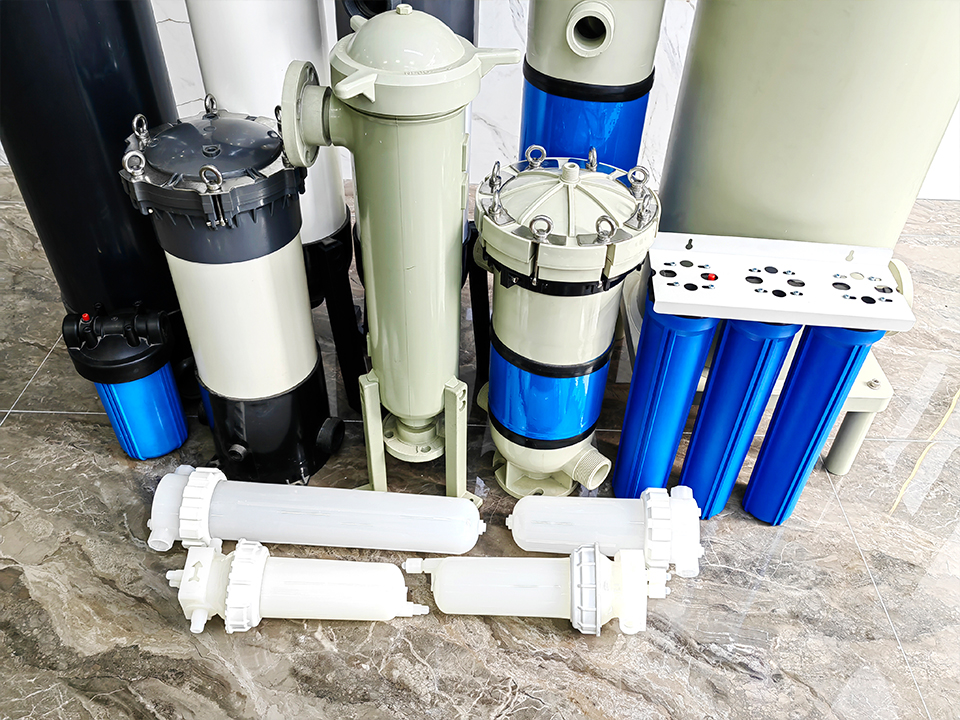
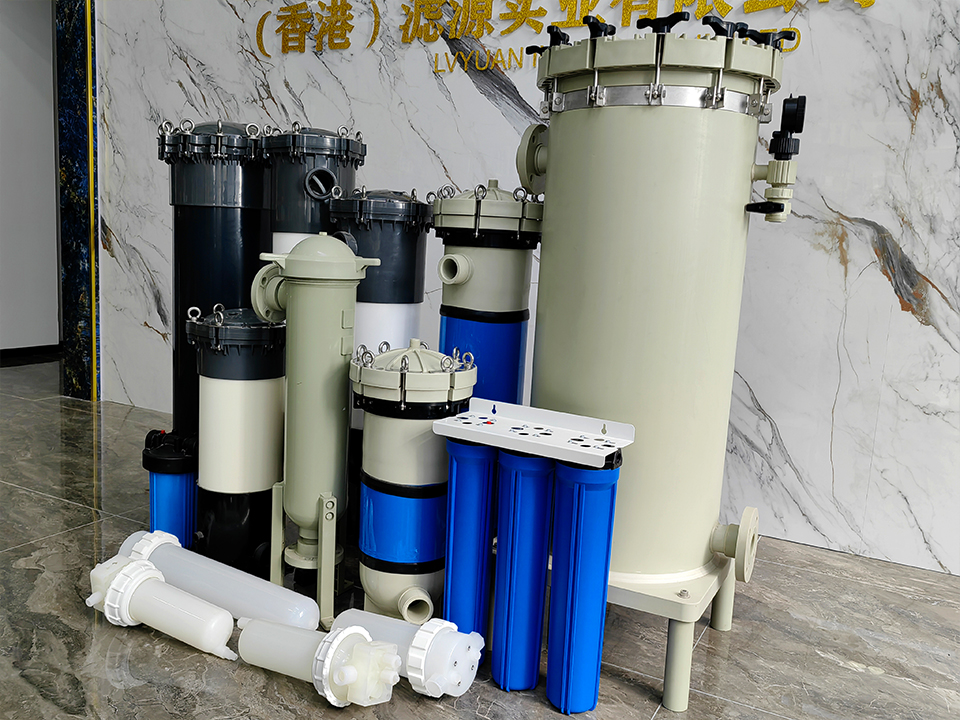
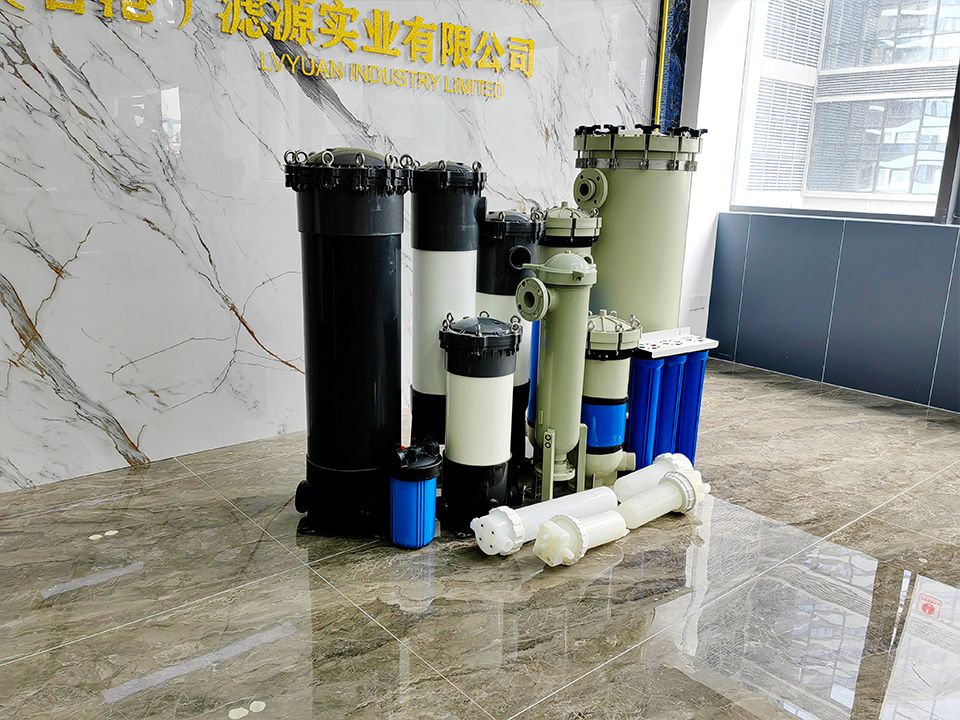
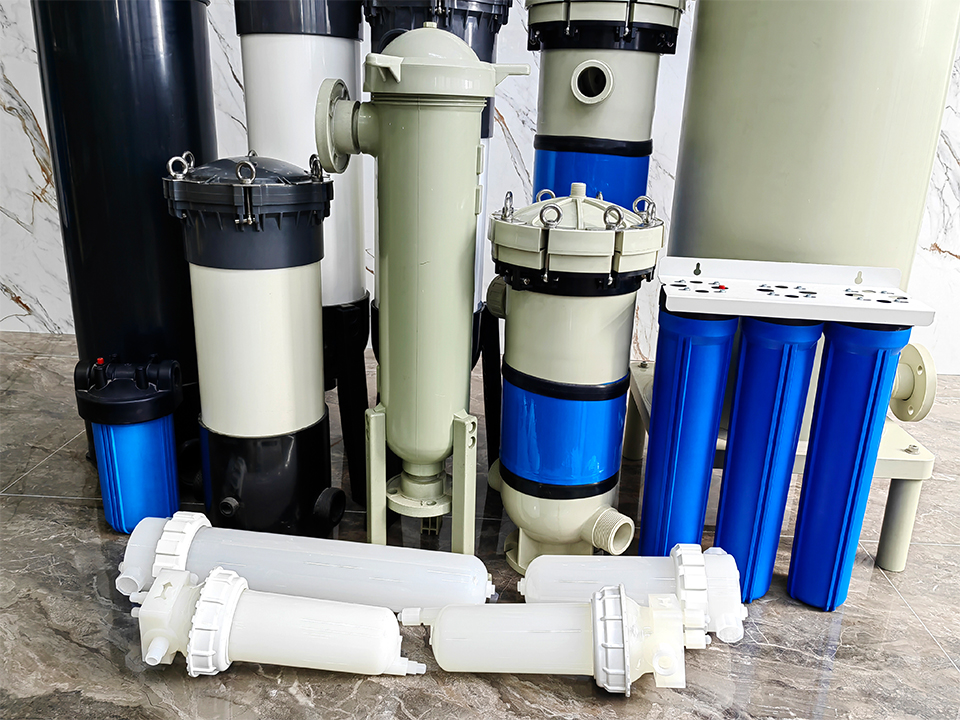
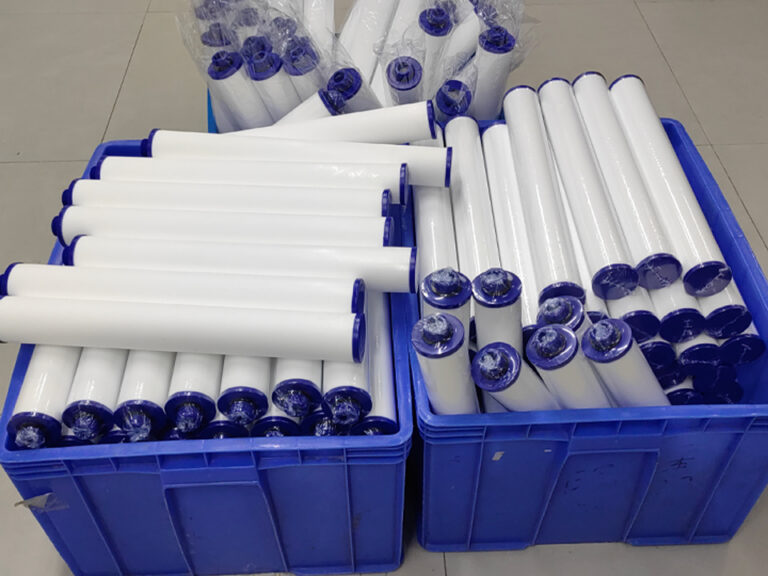
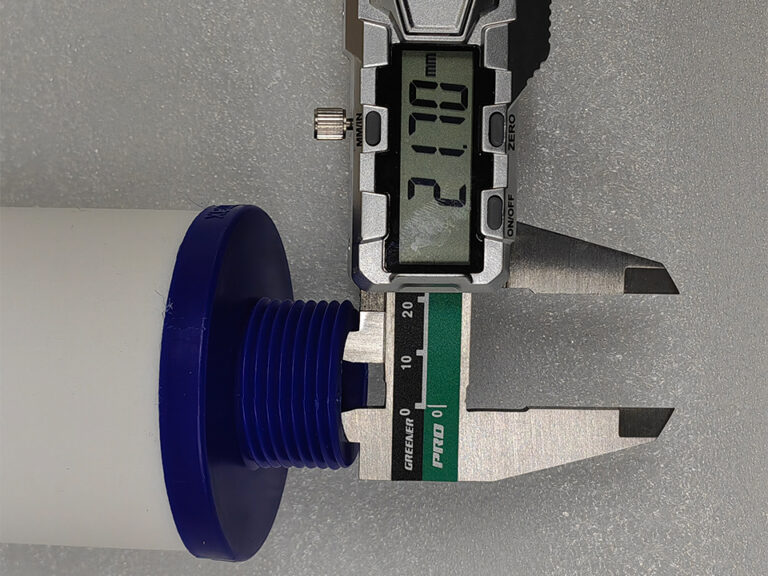
شركة قوانغتشو لفيوان لمعدات تنقية المياه المحدودة هي شركة تصنيع مرشحات صناعية تأسست في عام 2009 تقوم بتصميم وتصنيع علب المرشحات المصنوعة من الفولاذ المقاوم للصدأ، وخزانات المياه المعقمة المصنوعة من الفولاذ المقاوم للصدأ، وعناصر المرشحات، وأكياس المرشحات، ومواد البوليمر الفائق، ومنتجات المرشحات الملبدة. يختار المشترون Lvyuan لدعم تصنيع المعدات الأصلية/التصنيع حسب الطلب، ومراقبة الجودة ISO9001، وشهادات متعددة البلدان.
شركة قوانغتشو لفيوان لمعدات تنقية المياه المحدودة.
المرشحات البلاستيكية المسامية في شركات تصنيع المعدات الأصلية (OEM) للمعدات الطبية والمخبرية
أعني كل شخص: مصمم التخطيط الذي يحدق في منحنى انخفاض الضغط الذي لم يتطابق أبدًا مع النموذج الأولي، ومدير المشتريات الذي اختار البديل الأقل تكلفة، ومسؤول الجودة الذي يحاول توضيح انجراف الجسيمات في اجتماع CAPA، والمسؤول التنفيذي في الشركة المصنعة للمعدات الأصلية الذي يكتشف فجأة أن مكونًا واحدًا من طراز $0.18 يمكن أن يؤخر تسليم أداة تبلغ قيمتها مئات الآلاف. من المضحك كيف تسير الأمور، أليس كذلك؟
وإليكم وجهة نظري الجريئة: المرشحات البلاستيكية القابلة للاختراق ليست “أجزاء بلاستيكية أساسية” في المعدات السريرية والمخبرية التي تنتجها الشركات المصنعة للمعدات الأصلية. فهي أدوات للتحكم في التدفق، وحواجز ضد التلوث، ومنظمات للتهوية، ومصائد للرذاذ، وواقيات للكواشف، وأحيانًا تكون العنصر الوحيد الذي يقف حاجزًا بين إجراء اختبار نظيف ومشكلة مروعة يواجهها العميل.
ونعم، أعلم أن المصطلح المستخدم في الكتالوج يشير إلى “وسائط الترشيح”.”
كما أنها ناعمة.
بالنسبة للمرشحات البلاستيكية المسامية المستخدمة في المجال الطبي ومختبرات الأبحاث، فإن الشاغل الحقيقي ليس “هل يمكنها الترشيح؟”، بل السؤال الحقيقي هو: هل يمكنها الترشيح بنفس الكفاءة بعد التعرض لتغيرات في عملية القولبة، وعمليات التعقيم، والتعرض للمواد الكيميائية، ودورات الترطيب، والضغط الناتج عن التجميع، وتغيرات دفعات الموردين، وضغوط الشراء على مدار عامين؟
لماذا يستمر مهندسو الشركات المصنعة للمعدات الأصلية في تجاهل المرشحات البلاستيكية المسامية
لا تتجاهل معظم فرق مصنعي المعدات الأصلية (OEM) المرشحات البلاستيكية القابلة للنفاذية بسبب التهور. بل إنها تتجاهلها لأن هذا الجزء يبدو سهلاً.
قرص صغير. سدادة. فتحة تهوية. قطعة مقولبة. ربما أسطوانة مدمجة في غطاء حاوية كاشف، أو ما يشبه الماصة، أو أسطوانة شفط، أو جهاز تحليل، أو جهاز رذاذ، أو كاسيت سوائل، أو خط مكنسة كهربائية، أو وحدة تحضير العينات. لا يحتوي على برمجيات. لا يحتوي على شاشة عرض. ولا يظهر بشكل جيد في عرض تقديم المنتج.
ومع ذلك، فهي تتحكم في الفيزياء.
تؤثر أبعاد مسام المرشح، ودوران المسام، وحجم الفراغات، والتركيب الكيميائي للبوليمر، والتعرج، وعمليات الضغط، وطاقة السطح، جميعها على كيفية مرور الهواء، والسوائل، والهباء الجوي، والشظايا، والضغط عبر الأداة. فالسدادة القابلة للنفاذ المصنوعة من البولي إيثيلين لا تتصرف مثل السدادة القابلة للنفاذ المصنوعة من البولي بروبيلين. كما أن المرشح البلاستيكي المسامي المُتلبد لا يتصرف مثل الخرطوشة المصنوعة بتقنية النفخ بالذوبان. ولا تتصرف فتحة تهوية مقاومة للماء مثل مرشح السوائل. كما أن تصنيف المسام الصغيرة بحجم 10 ميكرومتر لا يعني بالضرورة ما يظنه العميل.
هذا العامل الأخير مهم.
في مجال الإعلان والتسويق المتعلق بتنقية المياه، تدور المناقشات عادةً حول التقاط الرواسب بشكل عام. أما في مجال تصنيع المعدات الأصلية (OEM) للأغراض الطبية والمخبرية، فإن النقاش يكون أضيق نطاقًا وأقل تسامحًا: توحيد التدفق، والتوافق العضوي، والمواد القابلة للترشيح، والمواد القابلة للاستخلاص، وتفاعل أشعة جاما أو الإيثيلين أوكسيد (EtO)، والتفاوت المسموح به في الأبعاد، ومقاومة التمزق، وإدارة الهباء الجوي، وسجلات الجودة القابلة للاستنتاج. والفجوة بين هذين العالمين هي المكان الذي تكمن فيه خيارات التوريد السيئة.
المرشح صغير الحجم عمومًا. أما التهديد فليس كذلك.
لقد انتقل الضغط الناجم عن إدارة الغذاء والدواء (FDA) فعليًّا إلى المراحل اللاحقة من السلسلة.
توضح المبادئ التوجيهية النهائية لسياسة نظام إدارة الجودة لعام 2024 الصادرة عن إدارة الغذاء والدواء الأمريكية (FDA) — والتي تعمل على مواءمة معايير جودة الأجهزة الطبية في الولايات المتحدة مع المعيار ISO 13485:2016 — أمرًا واحدًا بشكل لا لبس فيه بالنسبة لمصنعي المعدات الأصلية (OEMs): إن مراقبة الموردين ليست مجرد إجراءات ورقية شكلية. بل هي مراقبة التصميم مصحوبة بأمر شراء.
لذا، عندما يقول أحد مصنعي المرشحات البلاستيكية القابلة للنفاذ: “يمكننا توفير مكون مماثل”، أريد أن أعرف ما الذي يعنيه مصطلح “مماثل”.
هل درجة جودة المنتج هي نفسها؟ هل توزيع أحجام المسام هو نفسه تمامًا؟ هل انخفاض الضغط هو نفسه تمامًا عند نفس معدل التدفق ونفس سائل الاختبار؟ هل استجابة التعقيم هي نفسها تمامًا؟ هل تحليل المخاطر البيولوجية هو نفسه تمامًا؟ هل مشكلة الأدوات هي نفسها تمامًا؟ هل تقنية الإفراج عن الدفعة هي نفسها تمامًا؟ هل موزع الراتينج هو نفسه تمامًا؟ هل ضوابط المناولة هي نفسها تمامًا؟
أم كلها بنفس الدرجة اللونية؟
يبدو ذلك صعبًا، وهذا أمر متوقع. ففي الأجهزة الطبية والمعدات المختبرية، يمكن أن يؤدي تغيير المرشح إلى إحداث تغييرات خفية في التغذية الراجعة للفراغ، وسلامة الكواشف، وانتقال العينات، وأحمال المضخة، وعمليات الترطيب، واحتواء الهباء الجوي، ووقت استجابة وحدة الاستشعار، وانحراف المعايرة. لا يبدو أي من هذه الأمور ملحوظًا في اليوم الأول. بل تظهر لاحقًا، عادةً عندما تكون الأداة قيد عملية التحقق من الصحة بالفعل أو عندما يكون المستهلك قد اشتكى بالفعل.
أين تظهر الفلترات البلاستيكية المسامية كفاءتها الحقيقية
تُستخدم المرشحات البلاستيكية القابلة للنفاذ في أي مكان يحتاج فيه مصنع المعدات الأصلية (OEM) إلى تدفق منظم، أو فتحة تهوية خاضعة للرقابة، أو تحكم في حركة التلوث ضمن هيكل محمول.
في الأجهزة الطبية، قد يشمل ذلك أنظمة الشفط، وأدوات العناية بالجروح، وملحقات الأكسجين والجهاز التنفسي، وخراطيش التشخيص، والمجموعات الفرعية المتعلقة بالتسريب، وأجهزة جمع العينات، ومكونات نقل الأدوية، وفتحات التهوية في العبوات المعقمة. أما في معدات المختبرات، فيمكن أن يشير ذلك إلى حواجز الماصات، وخزانات الكواشف، وفتحات أجهزة التحليل الآلية، ووسائل حماية المكانس الكهربائية، ومعالجة المذيبات، ومشعبات الترشيح، وكاسيتات السوائل، وأجهزة أخذ العينات البيئية.
عادةً ما يبدأ اختيار المنتج بالبولي إيثيلين أو البولي بروبيلين، لكن لا ينبغي أن يتوقف الأمر عند هذا الحد. يُعد البولي إيثيلين (PE) خيارًا شائعًا نظرًا لقدرته على التلبيد الجيد وإنتاج هياكل قابلة للنفاذية ذات خصائص ثابتة. يتميز البولي بروبيلين (PP) بمقاومة أفضل للحرارة والمواد الكيميائية في بعض التطبيقات. أما البولي تيترافلوروإيثيلين (PTFE) والبولي فينيليدين فلوريد (PVDF) فيدخلان في الاعتبار عندما تكون خصائص مقاومة الماء، أو المذيبات القوية، أو أداء تنفيس الغازات أكثر أهمية من تكلفة القطعة.
تتوفر مكونات منخفضة التكلفة.
لكن الفيزياء الاقتصادية لا تفعل ذلك.
عندما يخلط عملاء الشركات المصنعة للمعدات الأصلية (OEM) بين المرشحات البلاستيكية القابلة للنفاذ ومكونات الحطام البولي بروبيلين (PP) العامة، فإنهم ينقلون الافتراضات الخاطئة مباشرةً إلى المهمة. معيار خرطوشة ترشيح مصنوعة من البولي بروبيلين (PP) بنظام النفخ بعد التذويب، مخصصة لتنقية المياه الصناعية قد تكون هذه التقنية ممتازة في التخلص من الحطام بكميات كبيرة، إلا أن وجود عائق في فتحة التشخيص أو أنبوب السحب الخاص بالمصنع الأصلي (OEM) يتطلب مناقشة أكثر تفصيلاً بشأن التطبيق: الشكل الهندسي، وتصميم المسام، والمواد القابلة للاستخلاص، وطريقة التجميع، وعملية التحقق من الصحة.
المرشحات البلاستيكية المسامية الملبدة مقابل المرشحات المصنوعة من البولي بروبيلين المنفوخ بالذوبان
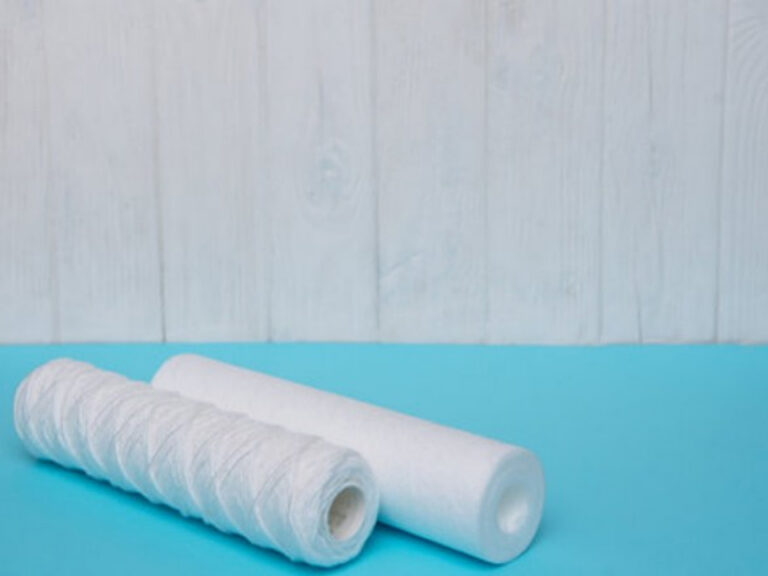
عادةً ما تُصنع المرشحات البلاستيكية الملتصقة القابلة للنفاذية عن طريق ربط شظايا البوليمر تحت تأثير الحرارة والضغط دون إذابتها بالكامل لتشكيل كتلة صلبة. والنتيجة هي بنية قابلة للنفاذية غير مرنة أو شبه صلبة ذات مسارات مترابطة. أما المرشحات المصنوعة من البولي بروبيلين المنفوخ بالذوبان، فتُصنع عن طريق بثق ألياف البولي بروبيلين السميكة مباشرةً لتشكل هيكلًا مرشحًا عميقًا، وتُستخدم عادةً في الخراطيش لالتقاط الجسيمات.
كلاهما يمكن أن يكون مفيدًا. لكنهما غير متوافقين.
يمكن تصميم المرشح البلاستيكي المسامي المُتلبَّد ليأخذ أشكالًا صغيرة مصنوعة حسب الطلب: أقراص، وسدادات، وأقماع، وقضبان، وأغطية، وأنابيب، وفتحات تهوية، وملحقات. وهذا ما يجعله خيارًا جذابًا لمكونات البلاستيك المسامية الخاصة بمصنعي المعدات الأصلية (OEM)، حيث يتم دمج المرشح مباشرةً في بنية الجهاز. تُعد مرشحات البولي بروبيلين (PP) المصنوعة بتقنية النفخ بالذوبان أكثر شيوعًا في أنظمة معالجة المياه، والترشيح الأولي للمواد الكيميائية، وأنظمة تنقية العمليات التي تسمح باستخدام الخراطيش ذات الشكل الهندسي المناسب.
فيما يلي التقسيم البسيط: الأجزاء الملبدة هي أجزاء تصميمية؛ أما الخراطيش المصنوعة بتقنية النفخ بالذوبان فهي مستهلكات ترشيح.
هذا التمييز ليس مثاليًّا، لكنه فعال. على سبيل المثال، إذا كان أحد مصنعي المعدات الأصلية (OEM) يعمل على تصنيع أداة مختبرية مدمجة مزودة بنظام تدفق سوائل مدمج، فقد تساعد قطعة مدمجة مخصصة في حماية المضخة أو تهوية غرفة مغلقة. أما إذا كانت المهمة تتمثل في الترشيح المسبق لمياه العمليات قبل دخولها إلى النظام، فإن خرطوشة تصفية الرواسب من البولي بروبيلين (PP) بسماكة 1 أو 5 أو 10 ميكرون هذا يبدو منطقيًا أكثر بكثير.
نوع المرشح
الاستخدام النموذجي من قبل الشركات المصنعة للمعدات الأصلية (OEM)
المنتجات المعتادة
القوة
نقطة ضعف
مخاوف بشأن الشراء
مرشح بلاستيكي مسامي مُتكتل
فتحات التهوية، السدادات، العوائق، أمثلة على المصائد، الملحقات الهيدروليكية
PE، PP، PTFE، PVDF
هندسة مخصصة وتدفق هواء مُحكَم
تباين المسام في حالة ضعف الرقابة على المورد
هل يمكن للمورد إثبات قابلية تكرار خصائص المسام والدوران على مستوى الدفعة بأكملها؟
خرطوشة من البولي بروبيلين المصنوع بتقنية النفخ بالذوبان
إزالة الشوائب، الترشيح الأولي للمياه، الترشيح في العمليات التجارية
بولي بروبيلين
قدرة عالية على احتجاز الأوساخ
لم يتم تطويره لاستخدامه مع الهياكل الهندسية الصغيرة المدمجة الخاصة بمصنعي المعدات الأصلية
هل تصنيف الخراطيش اسمي أم مطلق؟
فتحة تهوية مسامية مقاومة للماء
تبادل الغازات، التهوية مع منع تسرب السوائل
PTFE، PE، PP مع معالجة
يمنع دخول السوائل مع السماح بمرور الهواء
فشل الترطيب في وجود المواد الخافضة للتوتر السطحي أو المذيبات
ما هو إجهاد دخول الماء بعد النضج؟
ناشر مسامي
انتشار الغاز، خلط السوائل، تهوية الكواشف
خيارات من البولي إيثيلين (PE) والبولي بروبيلين (PP) والسيراميك
توزيع متساوٍ
الانسداد والقيود المفروضة على عمليات التنظيف
ما حجم الفقاعة والضغط العكسي اللذان تم التحقق من صحتهما؟
السر الصغير القذر: “تصنيف ميكرون” قد يضلل المشترين
تصنيف «مايكرون» غير كافٍ.
قد لا يعمل مرشح بحجم 5 ميكرون من إحدى الشركات المصنعة للمرشحات البلاستيكية القابلة للنفاذية بنفس طريقة عمل مرشح بحجم 5 ميكرون من موزع آخر، لأن مصطلح “ميكرون” قد يشير إلى درجة احتجاز منخفضة، أو حجم مسام عادي، أو حجم مسام مثالي، أو كفاءة في تصفية الجسيمات، أو قد يكون مجرد مصطلح تسويقي مختصر كان ينبغي الطعن فيه قبل أن يوافق أي شخص على المخطط.
اطرح السؤال الذي يثير القلق: ما هو الاختبار الذي أسفر عن هذا الرقم؟
بالنسبة لمصنعي المعدات الأصلية في المجال الطبي والمختبري، أفضّل الاطلاع على معدل الدوران عند إجهاد محدد، وعامل الفقاعات أو تسربات الهواء في بيانات الهيكل، ونهج توزيع حجم المسام، والتباين بين الدفعات، وضوابط النظافة، وشهادات المنتج، وخلفيات التعرض للتعقيم، بدلاً من الاكتفاء بذكر قيمة الميكرون وحدها كضمان. فالرقم الميكروني المجرد لا يمثل معيارًا تقنيًّا دقيقًا. إنه مجرد مدخل للمحادثة.
ولهذا السبب فإن صفحة ويب خاصة بخراطيش المياه مثل خرطوشة تصفية الرواسب المصنوعة من البولي بروبيلين (PP) المنفوخ بالذوبان بسماكة 1 ميكرون يُعد هذا سياقًا مفيدًا فيما يتعلق بلغة الترشيح، إلا أن مشتري الأجهزة الطبية من الشركات المصنعة للمعدات الأصلية (OEM) لا يزال بحاجة إلى إجراء عملية التحقق من صحة الأداء الخاصة بالتطبيق قبل استخدام أي وسائط ترشيح في الجهاز مباشرةً.
المواد: البولي إيثيلين (PE)، والبولي بروبيلين (PP)، والبتلوريتان (PTFE)، والبولي فينيليدين فلوريد (PVDF)، والمواد الكيميائية التي لا يرغب أحد في الحديث عنها
لا يقتصر اختيار البوليمر على السرعة فحسب.
عادةً ما يُختار البولي إيثيلين (PE) في صناعة المرشحات البلاستيكية المسامية المُتلبَّدة، لأنه يُنتج هياكل مسامية منتظمة ويُقدم أداءً جيدًا في العديد من تطبيقات الهواء والتهوية والتحكم في السوائل. أما البولي بروبيلين (PP) فيُعد الخيار المفضل عندما تتطلب المتطلبات تحمل درجات حرارة أعلى أو مقاومة كيميائية. ويُعد البولي تيترافلوروإيثيلين (PTFE) الخيار المعتاد عندما تكون مقاومة الماء في فتحات التهوية والمقاومة الكيميائية من العوامل الحاسمة في مواصفات التصميم. يمكن استخدام مادة PVDF في البيئات المختبرية حيث تكون متطلبات مقاومة المذيبات والنقاء أعلى.
لكن اختيار المواد هو المجال الذي تُعاقب فيه الشركات المصنعة للمعدات الأصلية (OEM) على إهمالها في اختيار الموردين.
يمكن للإشعاع غاما أن يغير سلوك البوليمرات. وتثير عملية التعقيم باستخدام أكسيد الإيثيلين (EtO) تساؤلات بشأن المخلفات والأكسجة. قد يؤدي التعرض لأجهزة الأوتوكلاف إلى تشوه الأجزاء التي لم يُقترح أبدًا استخدامها في دورات متكررة ذات درجات حرارة عالية. وقد تؤدي المواد الخافضة للتوتر السطحي إلى إضعاف الحواجز المقاومة للماء. كما يمكن للكحولات أن تغير خصائص الترطيب. وقد تعمل الكواشف على استخلاص مركبات منخفضة المستوى من البلاستيك لم يحددها أحد خلال مراحل العمل المبكرة على النماذج الأولية.
ونعم، هذا هو المكان الذي غالبًا ما ترفع فيه مجموعات الشراء أعينها باستياء.
لا يجب عليهم ذلك.
المرشح البلاستيكي المسامي المصمم خصيصًا للأدوات الطبية ليس مجرد قطعة بلاستيكية. إنه نظام منتج ضمن منتج خاضع للوائح التنظيمية. لذا، يجب التعامل معه على هذا الأساس.
التوريد من المصنعين الأصليين (OEM): الأسئلة التي سأطرحها بالتأكيد قبل الموافقة على مورد ما
لو كنت أقوم بتقييم شركة مصنعة للمرشحات البلاستيكية المسامية في إطار برنامج تصنيع المعدات الأصلية (OEM) للأغراض السريرية أو المختبرية، لطلبت أدلة قبل أن أطلب تخفيض السعر.
ليس مجرد كتيبات. بل أدلة.
هل يستطيع المورد تتبع مصدر الراتنج؟ هل يمكنه الحفاظ على توزيع أحجام المسام عبر دفعات الإنتاج المختلفة؟ هل يمكنه فحص تدفق الهواء، ودوران الماء، وانخفاض الضغط، ومقاومة الانفجار، والتفاوتات الأبعاد في الظروف التي تتوافق مع الجهاز؟ هل يمكنه الحفاظ على تجميد التصميم، وتنبيهات التعديل، وسجل الدُفعات، ووثائق الفحص، وضوابط التعبئة والتغليف؟ هل يمكنه شرح كيفية تأثير تآكل الأدوات على المسامية؟ هل يمكنه إخباري بما يحدث بعد التعرض للأشعة جاما، وغاز الأوكسيد الإيثيليني (EtO)، والشيخوخة الحرارية، والاهتزاز، والضغط؟
أفضل الموزعين على الإطلاق يردون على هذه الاستفسارات دون أن يبدوا انزعاجًا.
أما الضعفاء فيختبئون وراء مصطلح “المنتج التقليدي”.”
وهذا لا يعني أن كل مشروع يحتاج إلى قطعة مصنوعة خصيصًا وفقًا للمعايير الطبية منذ اليوم الأول. تبدأ بعض الشركات المصنعة للمعدات الأصلية (OEM) باستخدام أنظمة ترشيح قياسية لدراسة سلوك التدفق، لا سيما عندما يتضمن النظام الأكثر شمولاً ترشيح المياه أو الطاقة. في تلك الحالات، يمكن النظر في تصميمات مثل خرطوشة ترشيح مصنوعة من البولي بروبيلين (PP) مقاس 10 بوصات، مصنوعة بتقنية النفخ بعد التذويب، ومخصصة حسب الطلب يمكن أن يساعد في صياغة افتراضات الترشيح في مرحلة مبكرة جدًّا، قبل أن تضيق نطاق المجموعة لتصبح عنصرًا مدمجًا فعليًّا في الجهاز.
أخطاء التصميم التي تكلف الشركات المصنعة للمعدات الأصلية شهورًا
الخطأ الأول هو تحديد حجم المسام دون مراعاة انخفاض الضغط.
الخطأ الثاني هو تقييم الهواء الجاف والاعتقاد بأن سلوك السائل الرطب سيتوافق معه بالتأكيد.
الخطأ الثالث هو الموافقة على مورد نموذجي قبل التأكد من أن أدوات التصنيع، وتوريد المواد، واختبارات الإفراج عن الدُفعات ستتطابق بالتأكيد مع عينات التحقق.
الخطأ الرابع هو اعتبار المرشح قابلاً للاستبدال بعد إجراء فحص التحقق. فقد لا يكون الأمر كذلك. فإذا كان المرشح مسؤولاً عن التحكم في الضغط، أو التهوية، أو دوران الهباء الجوي، أو حماية الكواشف، فإن تغييره في هذه الحالة قد يشكل «حدث تغيير في التصميم»، وليس مجرد «تحديث في المشتريات».
الخطأ الخامس هو ترك المرشح في مرحلة متأخرة جدًّا من شجرة التصميم. فعندما يتم تجميد هندسة الغلاف، ومنحنى المضخة، وتوقيت وحدة الاستشعار، وكمية الكاشف، لا يتبقى للمرشح أي مساحة للتنفس. بالمعنى الحرفي للكلمة.
لذلك نحتاج إلى ممارسة أفضل بكثير: دمج المرشح المسامي في النظام في مرحلة مبكرة، ثم اختباره في ظل ظروف قاسية. الرطوبة العالية. انخفاض درجة الحرارة. قوى التجميع خارج المحور. الرنين الناتج عن الشحن. التعرض المباشر للمواد الكيميائية. الضغط في حالة الانسداد. أسوأ سيناريو للتعقيم. التقادم. التباين بين الدفعات.
هناك تكمن الحقيقة.
الدرس المستفاد في مجال سلسلة التوريد من عام 2024
تلقى سوق الأجهزة الطبية في عام 2024 دليلاً آخر على أن الاعتماد على موقع واحد ومواد واحدة ومورد واحد ليس مجرد خطر نظري. وعندما اضطرت المراكز الصحية وشركات التكنولوجيا الطبية إلى وضع خطط لمواجهة انقطاع إمدادات السوائل الوريدية بعد أن تسبب إعصار «هيلين» في إلحاق أضرار بعمليات شركة «باكستر» في ولاية كارولينا الشمالية، اتضحت الرسالة المقلقة: فحتى القيود الطفيفة في المراحل الأولية من سلسلة التوريد يمكن أن تغير القدرات الطبية في المراحل النهائية.
المصافي ليست سوائل وريدية. ومع ذلك، فإن الدرس المستفاد من سلسلة التوريد ينطبق هنا أيضًا.
إذا كان قطعة بلاستيكية مسامية مصنوعة حسب الطلب مقيدة بموزع واحد، وأداة واحدة، ونوعية واحدة من الراتنج، وإجراء واحد غير موثق، فإن الشركة المصنعة للمعدات الأصلية (OEM) لا تمتلك عنصرًا. بل إنها تعتمد على ذلك. وإذا كان هذا العنصر موجودًا داخل جهاز خاضع للتنظيم، فقد يتطلب تغييره لاحقًا أعمال تصميم، أو إثبات التحقق من الصحة، أو تنبيه المستهلك، أو تقييمًا تنظيميًّا.
لا أحد ينوي تخصيص ذلك في البداية.
في النهاية، الجميع يدفع ثمن ذلك.
إن الميزة الحقيقية للتصميم المزدوج تكمن في مؤهلاته التقنية المزدوجة، وليس مجرد الحصول على خيارين. وهذا يعني اعتماد أكثر من مورد واحد، أو على الأقل تقييم المواد والتصاميم الهندسية البديلة قبل أن يصبح التصميم نهائيًا. وفي الأنظمة الداعمة ذات المخاطر المنخفضة، تُستخدم صيغ المرشحات الشائعة مثل خراطيش تنقية المياه من الحطام المصنوعة من البولي بروبيلين (PP) بأحجام 5 و10 و20 و30 و40 بوصة يمكن تقييمها من حيث التكرار في عملية التنقية، في حين أن المرشحات البلاستيكية القابلة للنفاذ المدمجة في الجهاز تتطلب استراتيجية معادلة موثقة خاصة بها.
كيف يمكن تعريف المرشحات البلاستيكية المسامية دون أن يبدو ذلك ساذجًا
ابدأ بالوظيفة، لا بمصطلحات الكتالوج.
هل تحتاج إلى احتجاز الجسيمات، أو التحكم في تدفق الهواء، أو فتحات التهوية، أو منع انتشار الهباء الجوي، أو إغلاق السوائل، أو تأمين الكواشف، أو الحماية من الفراغ، أو الانتشار، أو عزل العينات؟ كل إجابة من هذه الإجابات توجه المواصفات في اتجاه مختلف.
ثم حدد نافذة التشغيل الرئيسية. الضغط. درجة الحرارة. السائل. الغاز. معدل التدفق. مدة التعرض. طريقة التعقيم. ضغط التجميع. العمر الافتراضي. طريقة التنظيف، إن وجدت. التصنيف التنظيمي. نوع التلامس. تلامس مباشر؟ مسار السائل؟ تلامس مع الكاشف؟ فتحة تهوية غير تلامسية؟
بعد ذلك، حدد متطلبات القبول القابلة للقياس.
قد تتضمن المواصفات الفنية الصارمة الخاصة بالمصنعين الأصليين (OEM) للمرشحات البلاستيكية المسامية ما يلي:
نهج فحص الدوران أو الاحتباس بناءً على حجم المسام. حركة الهواء أو دوران السائل عند ضغط محدد. تباين انخفاض الضغط. ضغط- ضغط دخول الماء بالنسبة للفتحات المقاومة للماء. افتراضات المواد القابلة للاستخلاص والتسرب وفقًا لمعايير USP الفئة السادسة أو ISO 10993، حيثما كان ذلك مناسبًا. متطلبات جودة المواد ومراقبة التغييرات. التفاوتات الأبعاد بعد التعقيم. متطلبات النظافة وتغليف المنتج. إمكانية تتبع الدُفعات ونمط إصدار الشهادات. افتراضات مدة الصلاحية والتقادم.
لاحظ ما الذي ينقص: “كما في المثال”.”
في الواقع، تسبب هذا التعبير في مشاكل أكثر مما يعترف به الناس.
الأسئلة المتداولة
ما هي استخدامات المرشحات البلاستيكية القابلة للنفاذ في المعدات الطبية والمخبرية المصنعة من قبل الشركات المصنعة للمعدات الأصلية (OEM)؟
المرشحات البلاستيكية القابلة للنفاذ هي أجزاء بوليمرية مصنعة خصيصًا لتنظيم تدفق الهواء، وحركة السوائل، واحتجاز الجسيمات، والتهوية، والانتشار، أو الحماية من التلوث داخل الأجهزة الطبية وأدوات المختبرات البحثية، وعادةً ما تُستخدم في التصميمات المحمولة التي لا تتسع للخراطيش التقليدية، حيث تكون عمليات التدفق القابلة للتكرار أكثر أهمية من متطلبات الترشيح العادية. وهي شائعة الاستخدام في فتحات التهوية، وحواجز الماصات، وأجهزة التحليل، وأنظمة الحماية من الشفط، وزجاجات الكواشف، والتركيبات السائلة.
هل المرشحات البلاستيكية الملبدة القابلة للنفاذ أفضل من مرشحات البولي بروبيلين المصنوعة بتقنية النفخ بالذوبان؟
تُعد المرشحات البلاستيكية المسامية المُتلبدة خيارًا أفضل بكثير لقطع غيار المعدات الأصلية (OEM) المحمولة التي تتطلب هندسة صلبة، ومسامية محكومة، وإمكانية دمجها مباشرةً في المساحات المخصصة للأدوات، في حين أن مرشحات البولي بروبيلين (PP) المصنوعة بتقنية النفخ بالذوبان تُعد خيارًا أفضل لإزالة الرواسب على غرار الخراطيش، والترشيح الأولي للمياه، والتطبيقات التي تتطلب قدرة أكبر على احتجاز الأوساخ في تصميمات الأجهزة الصغيرة المخصصة للاستخدام في الهواء الطلق. يعتمد الخيار الأمثل على مسار التدفق، والمساحة المتاحة، والضغط، ومستوى النظافة، ومخاوف التعرف.
ما هو حجم المسام الذي ينبغي أن تستخدمه المرشحات البلاستيكية القابلة للنفاذية في الاستخدامات السريرية؟
يجب أن تستند المرشحات البلاستيكية المسامية المستخدمة في التطبيقات السريرية إلى حجم مسام يعتمد على خصائص أداة تم التحقق من صحتها، وليس إلى هدف عام مقاس بالميكرون؛ حيث إن تدفق الهواء، وانخفاض الضغط، وخصائص الترطيب، وفعالية الاحتجاز، والتباين الكبير في الظروف، كلها عوامل قد تكون أكثر أهمية من تصنيف المسام الصغيرة المنشور في المخطط. ويتعين على الشركات المصنعة للمعدات الأصلية (OEM) اختبار المرشحات المرشحة في ظل سوائل حقيقية، ونطاقات ضغط مختلفة، وظروف تعقيم متنوعة.
كيف ينبغي لشركات تصنيع المعدات الأصلية (OEM) اختيار مصنع للمرشحات البلاستيكية القابلة للنفاذ؟
يجب على الشركات المصنعة للمعدات الأصلية (OEM) اختيار منتج للمرشحات البلاستيكية القابلة للنفاذية من خلال تقييم عناصر تشمل: التحكم في العمليات، وإمكانية تتبع الراتنج، وتكرار حجم المسام، واختبارات الدوران، وتنبيهات الضبط، ومعلومات التعقيم، وضوابط النظافة الصحية، وقدرة الموزع على الحفاظ على اعتماد التصميم مع تقديم أدلة موثقة على الدفعة بأكملها. ولا أهمية لمعدل النظام المنخفض إذا كان المورد غير قادر على ضمان التوحيد عند دخول الجهاز مرحلة الإنتاج.
هل يمكن استخدام المرشحات البلاستيكية القابلة للنفاذية المصنوعة حسب الطلب في أجهزة التشخيص؟
يمكن استخدام المرشحات البلاستيكية القابلة للنفاذية المصنعة حسب الطلب في أجهزة التحليل عندما يتم التأكد من مطابقة المواد، والهندسة، وهيكل المسام، ومستوى المواد القابلة للاستخلاص، وكفاءة التدفق، ومعايير التصنيع لمتطلبات نظام التحليل فيما يتعلق بالعينة، والكواشف، والضغط، والتلوث. من الناحية العملية، تظهر هذه المرشحات عادةً في فتحات التهوية، وخزانات الكواشف، ومكونات تحضير العينات، وأنظمة تدفق السوائل في أجهزة التحليل، ووحدات التحكم في الهباء الجوي.
كلمة أخيرة لمشتري المعدات الأصلية
إذا كان مرشحك البلاستيكي القابل للنفاذ مخفيًّا في عمقٍ كافٍ بحيث لا يراه أحد، فمن المرجح أن يكون مهمًّا بما يكفي لتعريفه بشكل صحيح.
هذه هي المفارقة.
تتعامل أفضل فرق مصنعي المعدات الأصلية (OEM) مع المرشحات باعتبارها مكونات هندسية مخصصة للسيطرة على المخاطر، وليس كعناصر ثانوية. فهي تطرح أسئلة أكثر تعقيدًا في مرحلة مبكرة. وتجري اختباراتها في ظروف قاسية. وتوثق افتراضات الموردين قبل إجراء عملية التحقق. كما أنها تقاوم الفكرة المضللة التي تزعم أن قطعتين لهما نفس القيمة بالميكرون يمكن مقارنتهما مباشرةً.
هل تحتاج إلى نقطة انطلاق للتعرف على أنماط الترشيح، أو البدائل المتاحة لوسائط البولي بروبيلين (PP)، أو توصيات بشأن خراطيش الترشيح التجارية قبل اتخاذ قرار نهائي بشأن قطعة غيار مخصصة من الشركة المصنعة الأصلية (OEM)؟ اطلع على الشهادات المتاحة بسهولة بدائل تنقية حطام البولي بروبيلين (PP) والمواد المنفوخة بالذوبان واستخدامها كنقطة انطلاق لحوار تقني، وليس كنقطة ختام له.