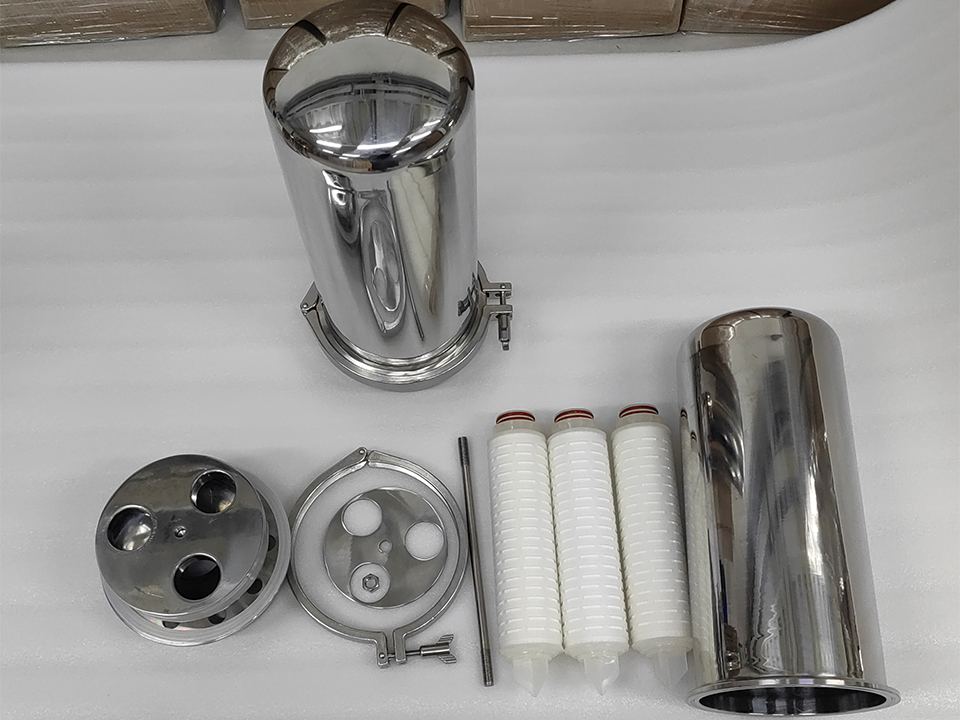
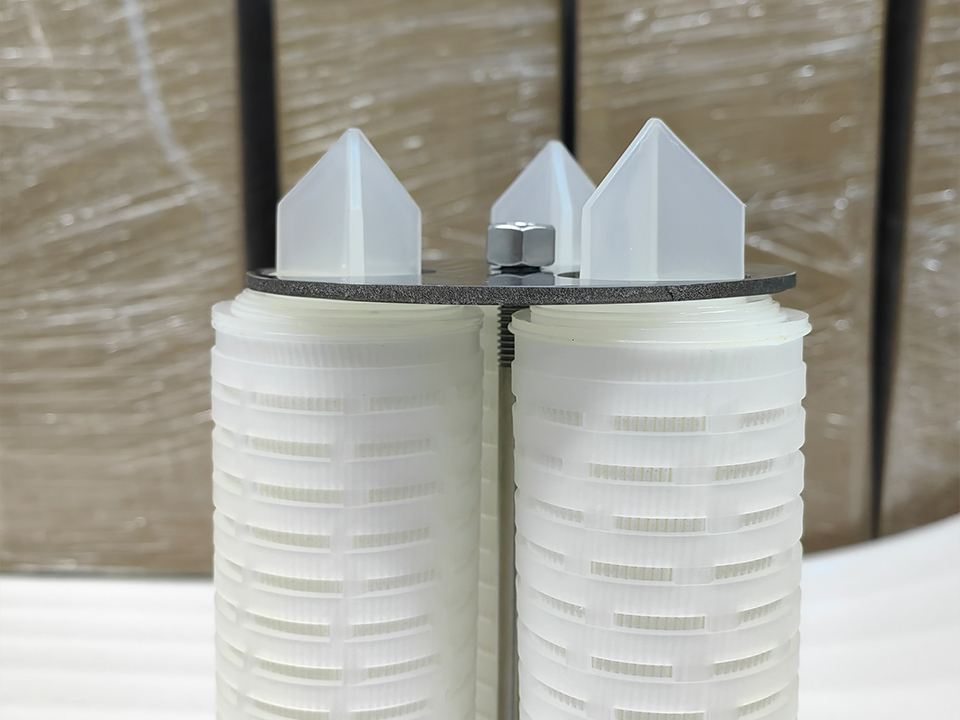
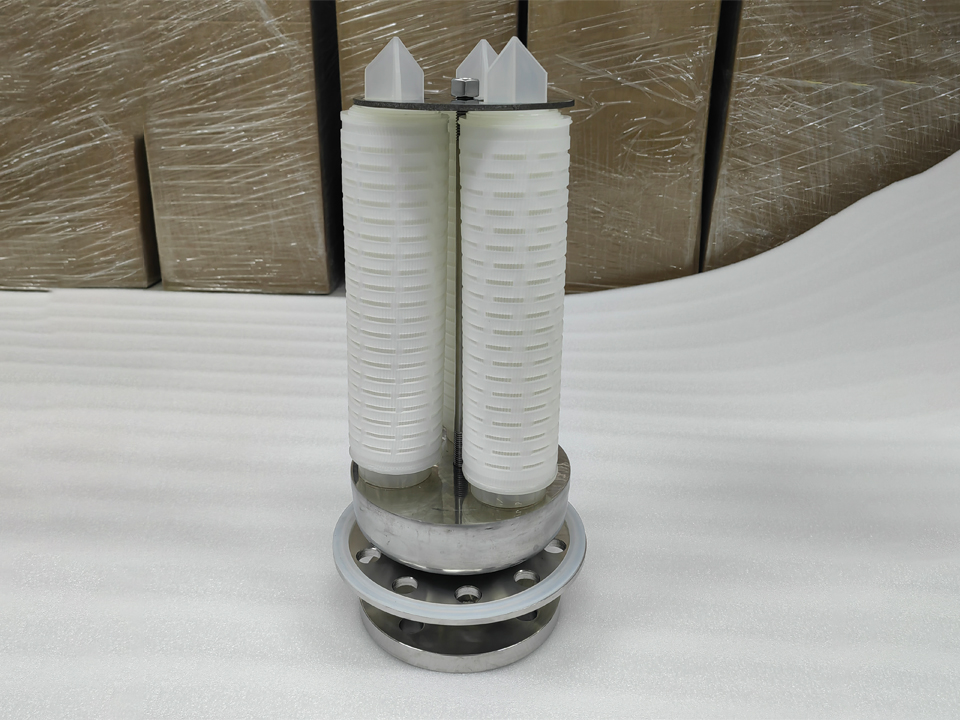
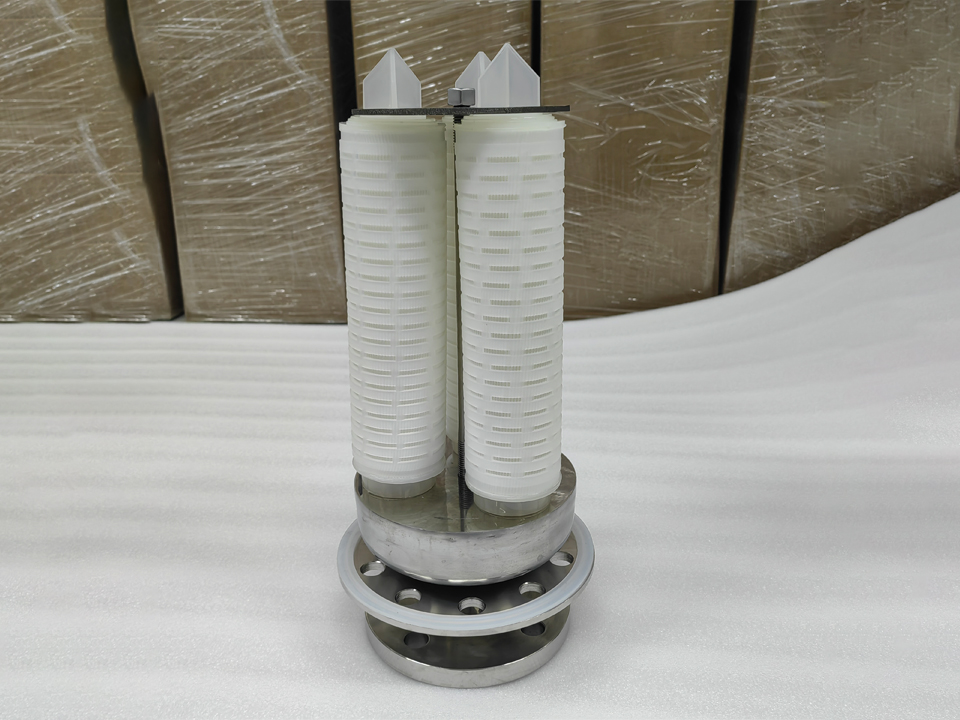
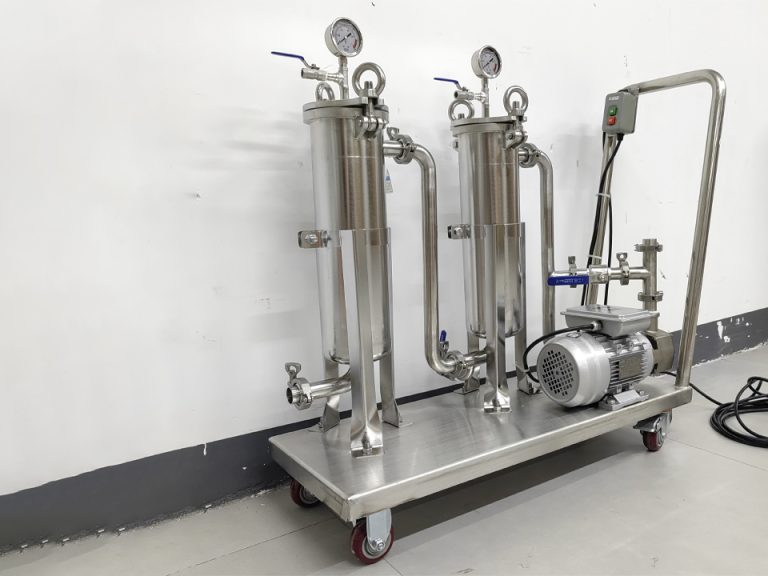
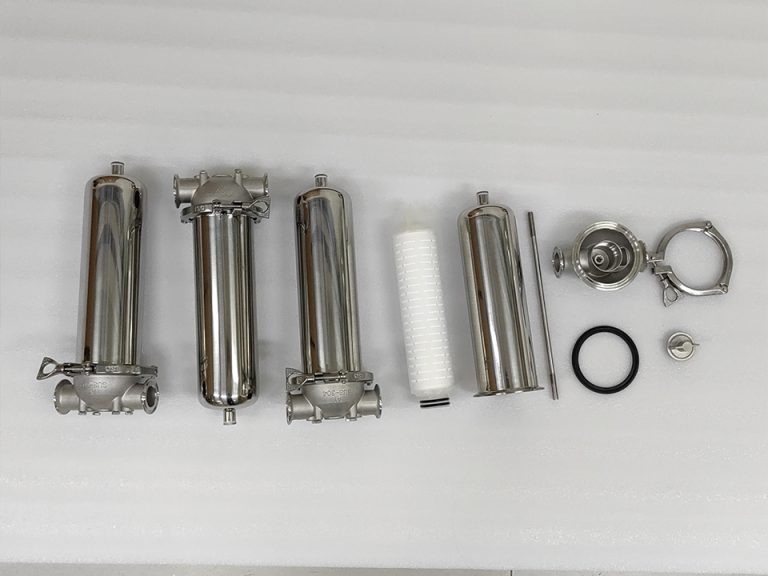
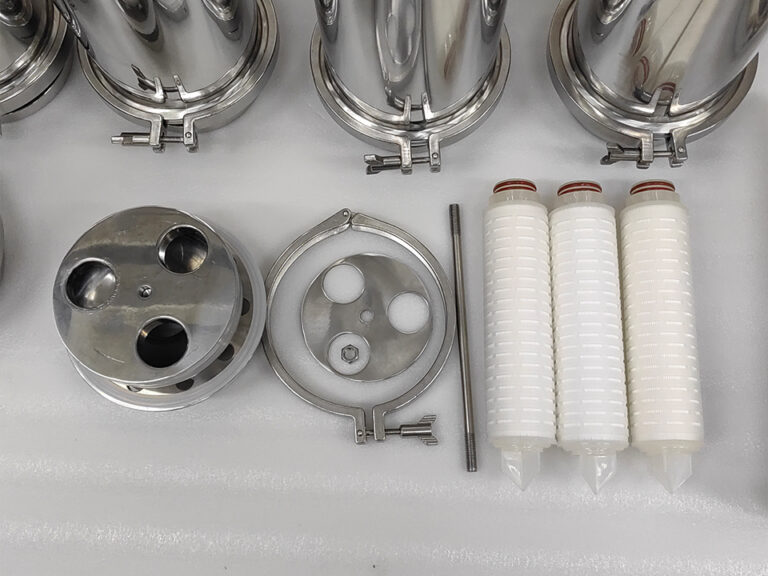
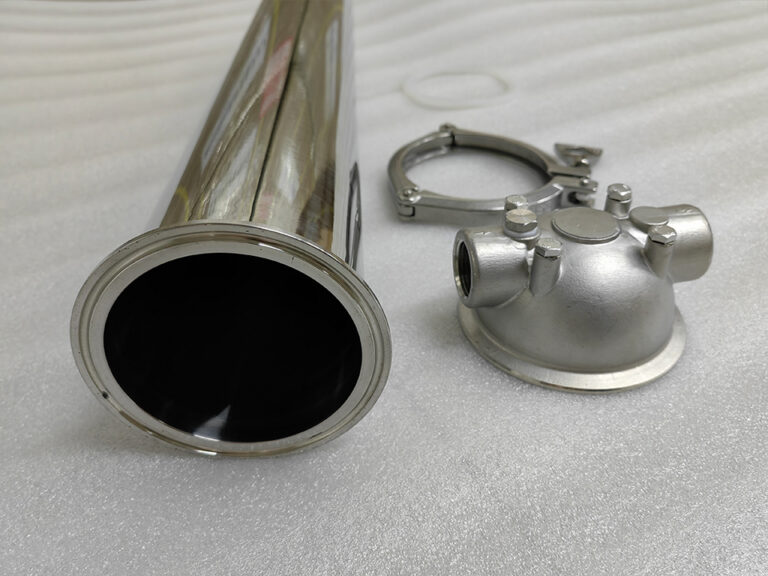
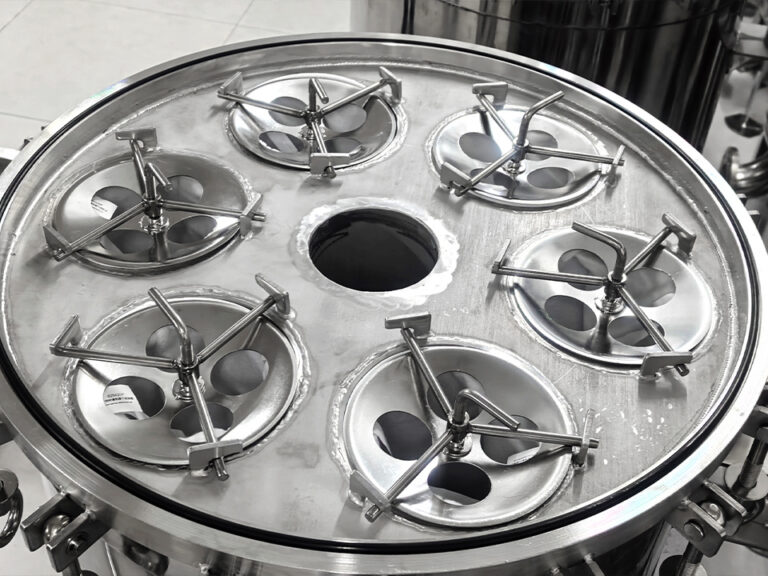
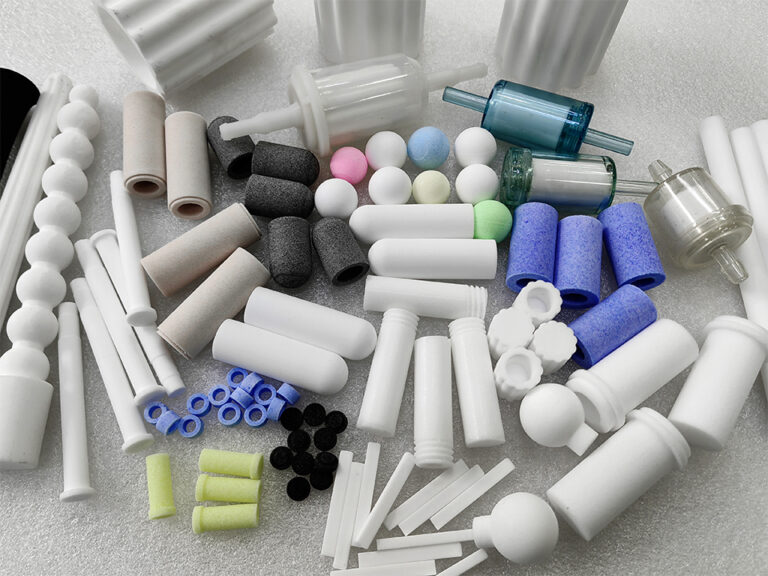
شركة قوانغتشو لفيوان لمعدات تنقية المياه المحدودة هي شركة تصنيع مرشحات صناعية تأسست في عام 2009 تقوم بتصميم وتصنيع علب المرشحات المصنوعة من الفولاذ المقاوم للصدأ، وخزانات المياه المعقمة المصنوعة من الفولاذ المقاوم للصدأ، وعناصر المرشحات، وأكياس المرشحات، ومواد البوليمر الفائق، ومنتجات المرشحات الملبدة. يختار المشترون Lvyuan لدعم تصنيع المعدات الأصلية/التصنيع حسب الطلب، ومراقبة الجودة ISO9001، وشهادات متعددة البلدان.
شركة قوانغتشو لفيوان لمعدات تنقية المياه المحدودة.
يسألون: “كم عدد الأسابيع التي يمكننا تشغيل هذا المرشح خلالها؟” لكن السؤال الأهم هو: “ما مقدار السعة القابلة للاستخدام المتبقية قبل أن يبدأ المرشح في تقييد الإنتاج، أو السماح بمرور المواد الصلبة، أو إتلاف المعدات الموجودة في المراحل اللاحقة، أو تشكيل خطر صحي؟”
غالبًا ما توجد التقويمات.
قد تتعرض الخرطوشة التي تدوم اثني عشر أسبوعًا عند استخدام مياه الصرف الصحي المعالجة في المدن للانسداد في غضون ثمانٍ وأربعين ساعة بعد حدوث حالة تعكر في المياه الخام، أو حدوث خلل في وحدة التصفية الموجودة في المنبع، أو انقطاع ناجم عن أعمال البناء، أو دخول مادة كيميائية للتنظيف في نظام التغذية في توقيت سيئ للغاية.
فلماذا نتظاهر بأن كل يوم ثلاثاء يكون قذرًا بنفس الدرجة؟
رأيي واضح وصريح: يجب أن يتحدد تواتر استبدال مرشح الرواسب في المقام الأول بناءً على حالته، مع اعتبار المدة المنقضية معيارًا إضافيًا للسلامة. النظامات التي يتم فيها استبدال الخراطيش وفقًا للتقويم فقط تفقد عادةً الوسائط المرشحة بشكل تدريجي خلال الفترات المستقرة، وتقترب بشكل خطير من الفشل عند حدوث اضطرابات في مياه التغذية.
الرد الصريح: التغيير حسب المشكلة، وليس حسب التاريخ
بالنسبة للعديد من المنشآت الصناعية، قد تبدأ الفترة الزمنية المؤقتة لاستبدال خراطيش مرشحات الرواسب من من أسبوع واحد إلى 3 أشهر. قد تستغرق عمليات التنظيف والتلميع ما بين ثلاثة إلى ستة أشهر. أما المياه التي تحتوي على نسبة عالية من المواد الصلبة أو غير المستقرة، فقد تؤدي إلى تلف الخرطوشة في غضون ساعات أو أيام.
هذه المصفوفات تمثل افتراضاتً – وليست حدودًا تشغيلية.
يجمع الخيار المناسب لتبديل اللاعبين بين ما يلي:
الفرق في الضغط عبر الهيكل
فقدان الدورة الدموية المُعَدَّل
تطور العكارة أو الشظايا في المراحل النهائية
أقصى درجات النظافة أو قيود على مدة الخدمة
نتائج فحص الخرطوشة والعقارات
يجب تغيير الخرطوشة في الجهاز عند بلوغ الحد الأقصى المسموح به مسبقًا.
وهناك مشكلة أساسية في الصياغة تكمن في العنوان H1: عادةً ما تغير النباتات خرطوشة فلتر, ، وليس الجزء المصنوع من الفولاذ المقاوم للصدأ. يخضع الغلاف للفحص والتنظيف واستبدال الأختام والتحقق من المقاييس وتقييم سلامته بانتظام. ولا يتم استبداله إلا عندما يؤدي التآكل أو التشقق أو التشوه أو تلف الحبال أو فشل التثبيت أو عدم الامتثال للمعايير أو تعديلات الإجراءات إلى جعل استمرار استخدامه غير مرغوب فيه.
يُعد استبدال الخرطوشة واستبدال الغلاف من الأعمال المختلفة
خرطوشة مرشح الحطام هي الوسيلة الاستهلاكية التي تعمل على احتجاز المواد الصلبة المعلقة. أما غلاف المرشح فهو الوعاء المقاوم للضغط الذي يستوعب عدة خراطيش ويوجه التدفق عبرها.
الخلط بين الاثنين يؤدي إلى سجلات صيانة سيئة.
يمكن لمصنع ما أن يجري 20 عملية تغيير للخرطوشات دون الحاجة إلى تغيير المساحة المخصصة لذلك. ومع ذلك، فإن كل عملية فتح تمثل فرصة لفحص الوعاء بحثًا عن أي عدم تطابق، أو وجود بقايا أحمر، أو أغطية تالفة، أو مقاعد خرطوشات تم تغييرها، أو فتحات تهوية مسدودة، أو صمامات أنابيب تصريف معطلة، أو مواد مطاطية بالية.
بالنسبة للمسؤوليات الصناعية التقليدية، فإن غلاف مرشح أمان السوائل من الفولاذ المقاوم للصدأ SS304 أو SS316L للخراطيش مقاس 10 أو 20 أو 30 أو 40 بوصة يمكنها استيعاب وصلات الخراطيش من نوع DOE أو 222 أو 226. وتُعد هذه التفاصيل مهمة: فالخرطوشة التي تتناسب حجمياً مع الوصلة ولكنها لا تُثبَّت بشكل صحيح قد تسمح بحدوث تجاوز، في حين تظل قراءات الضغط تبدو طبيعية. كما يوفر الغلاف المحدد خيارات من السدادات المصنوعة من NBR أو EPDM أو السيليكون أو فيتون، والتي يجب أن تتناسب مع مستوى درجة الحرارة والتعرض للمواد الكيميائية بدلاً من اختيارها بناءً على الأداء.
قاعدتي الصارمة بسيطة: التحقق من حالة الأجزاء عند كل عملية تغيير للخرطوشة، مع وضع برنامج منفصل وموثق لضمان سلامة وعاء الضغط نفسه.
العلامات الخمس التي ينبغي أن تحدد وتيرة تغيير مرشحات الرواسب الصناعية
1. توزيع الضغط التفاضلي عبر المرشح
الضغط التفاضلي، الذي يُرمز له بـ ΔP، هو الضغط الذي يُفقد أثناء مرور السائل عبر المسامع والخرطوشة:
ΔP = ضغط المدخل − الجهد الكهربائي عند المخرج
مع امتلاء مسام الوسائط بالرواسب، تزداد المقاومة. وهذا يجعل الضغط التفاضلي أحد أكثر المؤشرات اليومية فائدةً لتقدير حمل الخرطوشة – شريطة أن تظل معدلات التدفق ودرجة الحرارة وكثافة السائل متماثلة بشكل معقول.
لا يوجد رقم بديل عالمي.
تستخدم بعض الأنظمة جهاز إنذار عند ضغط يقارب 10 psi وتقوم بتغيير الخراطيش عند ضغط يقارب 15 psi. أما تصاميم الخراطيش الأخرى المختلفة فتتحمل ضغطًا أعلى بكثير. فعلى سبيل المثال، يحدد عنصر «Pentair AquaLine» المصنوع من البولي بروبيلين وذو التدفق العالي 25–30 رطل لكل بوصة مربعة: معامل الاستبدال الموصى به, ، مع مراعاة حدود الضبط الدقيق. وهذا وحده كفيل باستبعاد الحالة غير الدقيقة التي تقتضي استبدال كل خرطوشة عند ضغط يبلغ 15 psi بالضبط. استفد من التقييم المقدم من مورد الخراطيش، والقيود المتعلقة بالمساحة، والقيود المؤكدة الخاصة بعملية المصنع. وتُختار القيمة المقبولة الأقل تكلفة.
وبالمثل، لا تقارن بين الظروف المختلفة. فمن المؤكد أن المرشح الذي يعمل بمعدل 120 م SIX/ساعة سيُظهر فرق ضغط (ΔP) مختلفًا عن نفس المرشح الذي يعمل بمعدل 80 م³/ساعة. وقد ينتج الماء البارد مقاومة أكبر من الماء الدافئ بسبب التغيرات في اللزوجة.
تسجيل تدفق السائل ودرجة الحرارة على شريط فيديو مع كل قراءة للقوة.
2. فقدان الدورة الدموية الطبيعية
يمكن للمرشح المتصل أن يقلل من تدفق السائل في اتجاه مجرى التيار قبل أن يصل إلى الحد الاسمي للضغط التفاضلي، لا سيما عندما يخفي صمام التحكم أو المضخة ذات التردد المتغير أو حلقة تنظيم الضغط المقاومة المتزايدة.
توقع:
انخفاض التدفق مع بقاء معدل الضخ كما هو
زيادة الضغط الناتج عن ضخ المضخة للحفاظ على الدورة الدموية
صمام التحكم يفتح تدريجيًا أكثر
زيادة المدة المستغرقة في تعبئة الخزان أو نقل الدُفعات
انخفاض تدفق التغذية في وحدة التناضح العكسي
معدل الإنتاج أصبح متقلبًا
غالبًا ما يُعد انخفاض معدل الدوران المستقر في نطاق 10–15% سببًا مقبولًا لإجراء التحقيق، إلا أنه لا ينبغي إدراجه في المواصفات دون تفكير. ويعتمد معدل الانخفاض المقبول على هامش المضخة، ومتطلبات العملية، وتصميم الخرطوشة، والمعدات الموجودة في المرحلة التالية من العملية.
3. الجسيمات، أو العكارة، أو ارتفاع مؤشر SDI
يُظهر مؤشر الضغط مدى انخفاض سعة الخرطوشة بالضبط. وهو لا يثبت أن الخرطوشة لا تزال تحتفظ بالجسيمات.
قد تؤدي التلفات الناتجة عن الوسائط، أو التركيب الخاطئ، أو تجاوز حلقة O-ring، أو سقوط القضبان الداخلية، أو سوء إحكام إغلاق الغطاء الطرفي، أو التصنيف الاسمي غير المناسب بالميكرون، إلى السماح بمرور المواد الصلبة بينما يظل الفرق في الضغط (ΔP) منخفضًا بشكل خفي.
راقب المعلمة التي تهم في المرحلة اللاحقة:
التعكر بوحدة NTU
عدد الجسيمات حسب النطاق الحجمي
مؤشر كثافة الطمي، لا سيما قبل عملية التناضح العكسي
المواد الصلبة المعلقة بشكل عام
جودة المنتج
الاتجاهات السائدة في انخفاض الضغط في طبقة الغشاء
تراكم الأوساخ على فوهة الرش أو المبادل الحراري
مجموعة من حالات الفشل ذات الجودة العالية
بالنسبة للمعالجة المسبقة بالتناضح العكسي (RO)، يحدد نموذج التكاليف الصادر عن وكالة حماية البيئة الأمريكية (EPA) في يناير 2024 أن عملية تنقية الخراطيش تتم بين مرحلة المعالجة المسبقة الأولية ومضخات مياه التغذية، وذلك لأن الخراطيش تحمي معدات الأغشية من خلال التخلص من الجسيمات الأكبر حجمًا. ويتضمن التصميم توفير قدرة احتياطية بدلاً من التعامل مع ترشيح الخراطيش كخطوة لاحقة.
مصنع يستخدم نظام تحلية المياه المالحة بالتناضح العكسي وبالتالي، ينبغي التعامل مع أداء الخراطيش باعتباره بيانات تتعلق بحماية الأغشية، وليس مجرد إحصائية لاستهلاك المخزن.
4. المدة المثلى في المحلول
لا تزال الصيانة القائمة على الحالة تحتاج إلى حد أقصى زمني.
قد تفرض قطاعات الأغذية والمشروبات والأدوية والتكنولوجيا الحيوية وأنظمة المياه الدافئة فترات صيانة مثالية، وذلك لأن الخرطوشة الرطبة قد تصبح موئلاً للميكروبات حتى عندما يظل الضغط التفاضلي فيها منخفضاً. أما الوسائط المحتوية على الكربون فقد تثير مشكلة بيولوجية مختلفة، حيث إن المواد العضوية الممتصة قد تساعد على نمو الميكروبات في حالة ضعف مستوى النظافة.
يجب أن يعكس الإطار الزمني ما يلي:
متطلبات النظافة في العمليات
التعرف على عمليات التعقيم
درجة حرارة الماء
تحميل المغذيات
فترة الإغلاق
استخدام المواد الحافظة
إرشادات الشركات المصنعة للخراطيش
المتطلبات التنظيمية أو متطلبات المستهلكين
قد تكون الخرطوشة مفتوحة هيدروليكيًا وغير ملائمة من الناحية الميكروبيولوجية. ولن ينبهك جهاز القياس إلى ذلك.
5. الأضرار المادية أو الأفعال غير العادية
يجب تغيير الخرطوشة فورًا عندما يلاحظ السائقون ما يلي:
لب منهار
وسائط ممزقة أو مشوهة
تم إزالة الأغطية الطرفية
الجسيمات الكربونية الدقيقة أو تساقط الوسائط
حلقات O التالفة
الحمل
مواد صلبة غير معتادة في مجرى النهر
الانخفاض المفاجئ في ΔP بعد فترة من زيادة المقاومة
التعرض لصدمة الضغط أو الضربة المائية
لا يُعد الانخفاض المفاجئ في الضغط خبرًا سارًا دائمًا. فقد يشير ذلك إلى تمزق الوسيلة أو تعطل مانع التسرب.
الترددات الموصى بها للبدء حسب طبيعة تشغيل المحطة
الجدول التالي هو دليل للتشغيل الأولي، ولا يُعد بديلاً عن معلومات المنشأة. ابدأ التشغيل بحذر، وقم بمراقبة كل عملية استبدال، وقم بتعديل الفترة بعد عدة دورات تشغيل آمنة.
مشكلة في خدمة المحطة
المهام المعتادة
فترة المراجعة المؤقتة أو فترة الاستبدال
المحفز الرئيسي
ملاحظة إدارية
مياه مجتمعية مُصقولة أو مياه معالجة للإجراءات
أحدث عملية تجميل، مياه الاستخدامات العامة
8–16 أسبوعًا
ΔP والحد الزمني
قد يكون من الممكن إجراء عمليات تشغيل أطول عندما تكون درجة التعكر منخفضة بشكل مستمر
تنقية المياه الجوفية قبل عملية التناضح العكسي
حماية بطبقة غشائية بسماكة 1–5 ميكرومتر
4–12 أسبوعًا
ΔP، SDI، كفاءة التناضح العكسي
يمكن أن يؤدي الترسبات الحديدية أو المنغنيزية أو العضوية إلى تقليل عدد الدورات التشغيلية بسرعة
مساحة سطح المياه بعد المعالجة التمهيدية الفعالة
الترشيح العكسي (RO) أو الترشيح الوقائي لمياه العمليات
2–8 أسابيع
ΔP والعكارة
يمكن أن تؤثر الطحالب الموسمية والعواصف بشكل كبير على الاستهلاك السنوي للخراطيش
المياه الصناعية المعاد تدويرها أو المتغيرة
إعادة الاستخدام، التبريد، العلاج بمياه الغسيل
1–4 أسابيع
ΔP، التدفق، تقدم الجسيمات
استخدام نظام تتبع أكثر دقة بعد إجراء تعديلات على المنتج أو عمليات التنظيف
تغذية ذات نسبة عالية من المواد الصلبة دون تقسيم كافٍ في المراحل السابقة
التطهير في حالات الطوارئ أو التطهير التضحيي
1– 7 أيام
زيادة سريعة في ΔP
أضف مرشحًا كيسياً، أو جهاز تصفية، أو هيدروسيكلون، أو مرحلة أولى ذات مسام أكبر
خدمة تقديم الأطعمة والمشروبات بالدفعات
تصفية المواد أو المكونات أو الشطف أو التصفية المساعدة
كل مجموعة لمدة أسبوعين
الحد الصحي المؤكد
قد تكون هوية المنتج وإجراءات النظافة أكثر أهمية من المعلومات المتعلقة بالضغط
نبات دوري أو موسمي
فترات التوقف الطويلة
قبل إعادة التشغيل أو بعد التخزين المعتمد
الصحة والتفتيش
لا ينبغي اعتبار الوسائط الرطبة الراكدة آمنة، وذلك لأن ساعات التشغيل تكون أقل
أفضل جدول زمني لاستبدال مرشحات الرواسب هو ذلك الذي يتوقع هذه النتائج قبل أن يتأثر الإنتاج. فعبارة “كل ثلاثين يومًا” ليست استراتيجية، بل مجرد عبارة مؤقتة.
كيفية وضع جدول صيانة لنظام تنقية المياه بالنباتات يتحمل التدقيق
ابدأ بمعيار منظم.
بعد تركيب خرطوشة جديدة، قم بتسجيل الضغط عند المدخل، والضغط عند المخرج، وΔP، ومعدل الدوران، ومستوى درجة الحرارة، ومعدل ضخ المضخة، وموضع الصمامات، ودرجة التعكر، بالإضافة إلى التاريخ والوقت. كرر القراءات بعد استقرار النظام.
بعد ذلك، قم بإنشاء 3 مستويات للاختيار.
نطاق التشغيل المعتاد: يتم حشو المرشح بشكل طبيعي، وجودة المرشح تتوافق مع المتطلبات، ولا يزال هناك هامش هيدروليكي كافٍ.
مستوى نظام الإنذار: يقوم المشغلون بتعزيز عمليات التتبع، والتحقق من صحة التقييمات، وفحص الظروف في المراحل الأولية، والتأكد من توفر الخراطيش الاحتياطية، ووضع جدول زمني لعملية الاستبدال وفقًا للوائح.
مستوى التوقف التام: يتم استبدال الخرطوشة بغض النظر عن تفضيلات الشركة المصنعة، وذلك في حال بلوغ كل من الفرق في الضغط (ΔP) أو معدل الدوران أو مستوى الجودة أو مدة الخدمة أو مخاطر استخدام الأدوات الحدود المسموح بها.
لنأخذ هذا المثال:
ΔP المحدد: 2 psi عند 100 م THREE/h
إنذار الفحص: 10 رطل لكل بوصة مربعة
الضغط البديل المقرر: 14 psi
الحد الأقصى المطلق المحدد من قبل الشركة المصنعة (OEM) أو القيود المتعلقة بالإجراءات: 15 psi
المدة المثلى للخدمة: 60 يومًا
حد الجودة: تجاوز العكارة في المراحل النهائية للمواصفات المؤكدة
إذا وصل ضغط المرشح إلى 14 رطل لكل بوصة مربعة في اليوم الثامن عشر، فاستبدله. وإذا بقي عند 5 رطل لكل بوصة مربعة في اليوم الستين، مع أن برنامج النظافة يحدد مدة 60 يومًا كحد أقصى، فاستبدله. وإذا ظهرت عكارة في اليوم الحادي عشر عند ضغط 7 رطل لكل بوصة مربعة، فاستبدله وافحص التثبيت وخيارات الوسائط والحمل في الجزء العلوي من خط الأنابيب.
أقصر فترة نجاح في لعبة «الساعة».
يجب أن تتضمن وثيقة الصيانة الجيدة المعلومات التالية: الشركة المصنعة للخرطوشة، والإصدار، ودرجة الميكرون، والكفاءة الاسمية أو الفعلية، ورقم الدفعة، والمنتج، ونوع الختم، وقيمتي ΔP في البداية والنهاية، وساعات التشغيل، والحجم المعالج، ومعامل الإزالة، والتلوث الملحوظ، وطريقة التخلص منها.
وبدون هذه الحقول، ترى وحدة المشتريات “خراطيش مستخدمة”. أما وحدة التصميم فلا ترى أي شيء تقريبًا.
ماذا تقول نسخة «بروف» لعام 2023–2024 عن صيانة أنظمة الترشيح
يقدم نموذج التسعير الخاص بالتنقية العكسية (RO) والتناضح التناظري (NF) لعام 2024 الصادر عن وكالة حماية البيئة (EPA) فكرة عملية تغفلها العديد من المحطات الصغيرة، ألا وهي مسألة سهولة الوصول والتكرار. وينص النموذج على استخدام مرشح واحد من نوع الكارتريدج عند سعة أقل من مليون جالون في اليوم، ومرشحين عند سعة تتراوح بين 1 و5 ملايين جالون في اليوم، ومرشح واحد لكل 5 ملايين جالون في اليوم فوق هذا النطاق، مع تضمين وحدات احتياطية. الترتيب الدقيق هو افتراض يعتمد على التكلفة، وليس معيارًا عالميًا للتصميم، لكن الرسالة واضحة – لا ينبغي أن تتطلب الصيانة المخاطرة بعمليات الخط بأكمله.
وقد توصلت ورشة عمل سوق الأغذية والمشروبات لعام 2023 التي نظمتها إدارة الطاقة الأمريكية إلى نتيجة غير مريحة بالمثل. فقد وصف المشاركون عمليات تنقية المياه بأنها مكلفة وتتطلب صيانة مكثفة، لا سيما في المحطات التي تفتقر إلى فريق تصميم، وحددوا أن تحسين أنظمة التتبع، وأجهزة الاستشعار، وأنظمة التنقية المدمجة، والأجهزة التي تتطلب تدخلاً أقل، هي متطلبات ذات أولوية قصوى. وهذه هي الصيغة الحكومية المهذبة لما يدركه العديد من المشغلين بالفعل: غالبًا ما تنقل معدات تنقية المياه الرخيصة تكلفتها الفعلية إلى العمالة، وفترات التعطل، والخراطيش المهدرة، والأداء غير المتوقع للعمليات.
وأشار ملخص آخر للتحقق الميداني صادر عن وزارة الطاقة الأمريكية إلى تحقيق وفورات في تكاليف مياه التغذية بلغت 11.5% في تويوتا و11.3% في نيسان, ، إلى جانب الوفورات المالية الناتجة عن المعالجة الكيميائية البالغة 45% و27%, ، على التوالي، من نظام معالجة مياه كهروكيميائي مزود بأجهزة قياس. ولم يكن هذا اختبارًا لانتظام أداء خرطوشة ترسيب الرواسب، لذا لا ينبغي وصفه خطأً على أنه كذلك. ومع ذلك، فإنه يكشف ما يحدث عندما تتم إدارة معالجة المياه الصناعية بكفاءة محددة، بدلاً من التعامل معها وفقًا لروتين المشغل.
البيانات تفوق الأساطير الشعبية.
كيف تؤثر وسائل الإعلام وخيارات السكن على مدة الخدمة
تعمل المرشحات العميقة المصنوعة بتقنية «ميلت-بلون» على احتجاز الجسيمات عبر كامل كثافة الوسيلة المرشحة. وتُستخدم عادةً كخراطيش ترسيب يمكن التخلص منها، وذلك لتمتعها بقدرة جيدة على احتجاز الأوساخ بتكلفة منخفضة نسبيًا.
لا يتم تنظيفها عادةً. وعندما تمتلئ، يتم استبدالها.
يمكن أن يتفوق التصميم ذو الكثافة المتدرجة في العمر الافتراضي على خرطوشة ذات عمق موحد تم اختيارها بشكل غير ملائم، وذلك لأن الجسيمات الأكبر حجماً يتم احتجازها في البنية الخارجية، بينما تتغلغل الجسيمات الأصغر حجماً إلى عمق أكبر داخل الوسيلة. ومع ذلك، فإن النتيجة الفعلية تعتمد على توزيع حجم الجسيمات، وليس على العبارات التسويقية.
خراطيش مطوية
توفر الخراطيش المطوية مساحة أكثر فعالية، وعادةً ما تبدأ بانخفاض أقل في ضغط التنظيف. ويمكنها أن تعمل بشكل جيد في الحالات التي تكون فيها كثافة المواد الصلبة معتدلة وحجم الجسيمات متجانسًا إلى حد ما.
قد تتعرض هذه المواد للانسداد بسرعة عند التعامل مع المواد الصلبة ذات القوام الجيلاتيني أو الزيتية أو العضوية أو القابلة للانضغاط. ولا تُحلّ إضافة المزيد من الأمتار المربعة من الوسائط المشكلة الكيميائية الخاطئة في التغذية.
خراطيش الكربون المكتل
كتلة الكربون ليست مجرد مرشح للحطام. فقد تجمع بين التحكم في الجسيمات وامتصاص المركبات المسببة للروائح والملوثات الأخرى المختلفة، اعتمادًا على تركيبة الكربون والأداء المؤكد.
العرض المقدم خرطوشة الترشيح الأولي من الكربون المكتل المستخدمة في تحلية المياه والعلاج المائي يتوفر هذا المنتج بتكوينات 5 و10 و25 ميكرون باستخدام كربون مستخلص من جوز الهند أو من الفحم. وينبغي أن تعتمد مدة خدمته على كل من الحمل الهيدروليكي وقدرة الامتصاص؛ فالفارق في الضغط (ΔP) وحده لا يكفي لإثبات أن الكربون لا يزال يزيل المادة الكيميائية المستهدفة.
شبكات من الفولاذ المقاوم للصدأ، وفولاذ متكلس، وأكياس قابلة للغسل
يمكن أن تقلل الوسائط القابلة لإعادة التدوير من استهلاك الخراطيش التي تُستخدم لمرة واحدة، لكن وصفها بـ“القابلة للغسل” لا يعني أنها قابلة لإعادة التدوير إلى ما لا نهاية.
قد يؤدي التنظيف إلى توسيع المسام، أو تشويه الشبكة، أو ترك تلوث متغلغل، أو إتلاف اللحامات، أو التسبب في احتباس غير منتظم. يتعين على المصانع تحديد طريقة التقييم، والمواد الكيميائية المستخدمة في التنظيف، والحد الأقصى لعدد الدورات، ومتطلبات سحب المنتج من الخدمة.
بالنسبة للمواد الصلبة القاسية في الأطعمة والمشروبات، فإن أ غلاف مرشح كيس من الفولاذ المقاوم للصدأ متعدد الاستخدامات لمعالجة الشاي والحليب يمكن أن تعمل كمرحلة أولية. تستخدم التكوينات المذكورة لـ BFH-1 كيسًا مقاس 180 × 450 مم، ومانع تسرب من مادة EPDM، وضغط تشغيل يبلغ 100 psi، ودرجة حرارة تصميم تبلغ 100 درجة مئوية. ومع ذلك، فإن مدى ملاءمتها الفعلي يعتمد على تقييم الإجراءات ومتطلبات أوعية الضغط المحلية.
أغلفة ذاتية التنظيف أو آلية
في الحالات التي يكون فيها حمل المواد الصلبة مرتفعًا وعمليات التصنيع مستمرة، قد يكون اللجوء المتكرر إلى استخدام الخراطيش التي تُستخدم لمرة واحدة لمعالجة المشكلة بمثابة تصميم غير سليم.
بعد ذلك، قم بفصل الغلاف باستخدام إجراءات التحكم في الطاقة المعتمدة في المحطة. أغلق الصمامات المناسبة، وقم بتأمين جميع مصادر الطاقة، وقم بتفريغ الوعاء، وافتح فتحة التهوية بحذر، وتأكد من عدم وجود ضغط قبل فك أي مشبك أو مسمار أو شريط تثبيت أو غطاء أو سدادة ملولبة.
لا تعتمد أبدًا على مقياس واحد فقط. فقد يُظهر مقياس مسدود قراءته صفرًا بينما يظل الضغط محبوسًا في مكان آخر.
بعد بدء نشاط العقارات:
تخلص من الخرطوشة دون أن تسقط المواد الصلبة الملتقطة على الجانب النظيف.
افحص المكون للتأكد من عدم وجود انهيار، أو تحميل غير منتظم، أو أختام تالفة، أو انتقال للوسائط، أو علامات تجاوز.
التقط صورة للتلوث غير الطبيعي قبل التخلص منه.
قم بتنظيف العقار باستخدام طريقة تتوافق مع العملية.
أعد التعبئة تدريجيًا، وأخرج الهواء العالق من فتحة التهوية، وتحقق من عدم وجود تسرب، ثم أعد الوحدة إلى المحلول تدريجيًا.
قم بتسجيل القيمة الجديدة لـ ΔP عند تدفق ودرجة حرارة معروفين.
لا يُعتبر العمل منتهياً بمجرد إحكام ربط البراغي. بل يُعتبر منتهياً عند تسجيل البيانات الأساسية.
الأسئلة المتكررة
ما هي وتيرة تغيير مرشحات الرواسب في المنشآت الصناعية؟
ينبغي على المنشآت الصناعية استبدال خراطيش مرشحات الحطام عندما يصل الضغط التفاضلي أو معدل الدوران المعياري أو جودة المرشح إلى الحد الأقصى المسجل؛ ولا يُعد الجدول الزمني المحدد سوى إرشادًا احتياطيًا، حيث تبدأ العديد من الحلول بفترة تتراوح بين أسبوع واحد واثني عشر أسبوعًا، ثم يتم تشديدها أو تمديدها بناءً على بيانات التشغيل الفعلية.
قد تدوم مدة فعالية ماء التنقية «Spick-and-span» من 3 إلى 6 أشهر. أما المياه السطحية غير المستقرة، أو المياه المعالجة، أو الترسبات الحديدية، أو الطحالب، أو التلوث الناتج عن العمليات الصناعية، فقد تقصر هذه المدة إلى ساعات أو أيام.
ما هو الفرق في الضغط الذي يستدعي تغيير المرشح؟
نقطة الاستبدال الصحيحة للضغط التفاضلي هي الحد المقنن من قبل الشركة المصنعة للخرطوشة أو الحد الأدنى المؤكد للمحطة، أيهما أكثر تحفظًا؛ عادةً ما تستخدم الخراطيش القياسية الحدود الدنيا، في حين يحدد أحد عناصر «بنتير» (Pentair) عالية التدفق نطاقًا يتراوح بين 25 و30 رطلًا لكل بوصة مربعة من الضغط (psid)، مما يؤكد أن المعيار العام البالغ 15 رطلًا لكل بوصة مربعة (psi) يعد غير دقيق من الناحية الفنية.
تحقق من القيود الخاصة بتصميم الخرطوشة المحدد. تأكد أيضًا من أن التدفق ومستوى درجة الحرارة واللزوجة متطابقة قبل تطبيق نمط ΔP.
هل البديل القائم على الحالة أفضل من الجدول الزمني الثابت؟
يُعد الاستبدال القائم على الحالة نهجًا للصيانة يتم بموجبه تغيير الخراطيش عندما يتجاوز فقدان الضغط المحدد، أو تدهور التدفق، أو تقدم الشظايا، أو مخاطر النظافة حدًا معتمدًا مسبقًا، في حين أن الاستبدال التقويمي يتم بموجبه تغييرها بعد فترة زمنية محددة، بغض النظر عما إذا كان المكون قد استنفد قدرته القابلة للاستخدام على احتجاز الأوساخ أم لا.
يستخدم البرنامج الأكثر صرامة كلا الأمرين: فالمشكلة هي التي تحدد موعد الاستبدال المعتاد، في حين أن تحديد الحد الزمني الأمثل يحمي الصحة والامتثال وموثوقية الإجراءات.
هل يؤثر الاختلاف بين الفولاذ المقاوم للصدأ SS304 وSS316L على مدى انتظام استبدال الخرطوشة؟
تؤثر درجة الفولاذ المقاوم للصدأ على متانة المنتج ومقاومته للصدأ، وليس على معدل انسداد خرطوشة ترشيح الحطام؛ وقد يكون الفولاذ المقاوم للصدأ SS316L أكثر ملاءمة في الحالات التي تزيد فيها الكلوريدات أو مواد التنظيف الكيميائية القاسية أو المحاليل الصحية من خطر التآكل، إلا أن المواد الصلبة الموجودة في مياه المصدر وموقع الخرطوشة لا يزالان هما العاملان اللذان يحددان بالضبط مدى سرعة انسداد المكون.
ومع ذلك، فإن الغلاف الصدئ أو الخشن قد يتسبب في مشاكل تتعلق بالتلوث والتنظيف. لذا، يجب أن يأخذ اختيار المنتج في الاعتبار عوامل مثل الكلوريدات، ودرجة الحموضة (pH)، ومستوى درجة الحرارة، والمواد الكيميائية المستخدمة في التنظيف، وجودة اللحام، وعملية التخميل — وليس السعر وحده.
هل يمكن تنظيف خراطيش ترشيح الرواسب الصناعية وإعادة تدويرها؟
لا يجوز تنظيف خرطوشة الحطام وإعادة تدويرها إلا إذا كانت موادها، وبنيتها، وتعليمات الشركة المصنعة، وقواعد النظافة الخاصة بالعملية، وطريقة التنظيف التي تم التحقق من فعاليتها، تسمح بوضوح بإعادة استخدامها؛ وعادةً ما يتم استبدال المكونات التي تُستخدم لمرة واحدة، مثل المكونات المصنوعة بتقنية «النفخ بالذوبان» أو كتل الكربون، في حين أن الشبكات المصنوعة من الفولاذ المقاوم للصدأ، والمعادن المتكلسة، وبعض أكياس الترشيح قد تتحمل دورات تنظيف خاضعة للوائح التنظيمية.
تتبع كل دورة تنظيف. قم بإيقاف استخدام العناصر القابلة لإعادة الاستخدام عندما تتشوه المسام، أو عندما لا يعود انخفاض الضغط إلى مستواه الأساسي، أو عندما تتغير كفاءة الاحتفاظ، أو عندما تتوقف اللحامات عن العمل، أو عندما يتعذر إثبات فعالية التنظيف.
قم بإنشاء إعداد بديل استنادًا إلى معلومات مصنعك
لا تقبل ضمانًا لمدة ستة أشهر من أي جهة لم تقم فعليًّا بفحص تحليل المياه لديك، ودورانها، ودرجة حرارتها، وشكل الخرطوشة، ودوران الجسيمات، وضغط التشغيل، ومتطلبات النظافة، والمخاطر في المراحل اللاحقة.
ابدأ بفاصل زمني متحفظ. قم بتركيب مقاييس تدفق للدخول والخروج. سجل بالفيديو الحجم المعالج وفارق الضغط المستقر (ΔP). قم بتقييم كل خرطوشة تمت إزالتها. ثم اضبط وتيرة تغيير مرشح الرواسب التجاري بناءً على الأدلة — وليس على أساس الراحة.
سواء كان الأمر يتعلق بنظام جديد تمامًا أو بتحديث نظام قائم، يجب مقارنة طول الخرطوشة، ونوع التوصيل، ودرجة الدقة بالميكرون، والفرق بين هيكل الفولاذ المقاوم للصدأ SS304 وSS316L، وتوافق الأختام، ومعدل الدوران المطلوب، والسعة الاحتياطية قبل اختيار وحدة الترشيح. فالغلاف ذو الحجم المناسب قد يكلف أكثر عند الشراء، لكنه سيكلف أقل بكثير في الساعة الثانية صباحًا عندما يتعذر على المحطة الحفاظ على التدفق.