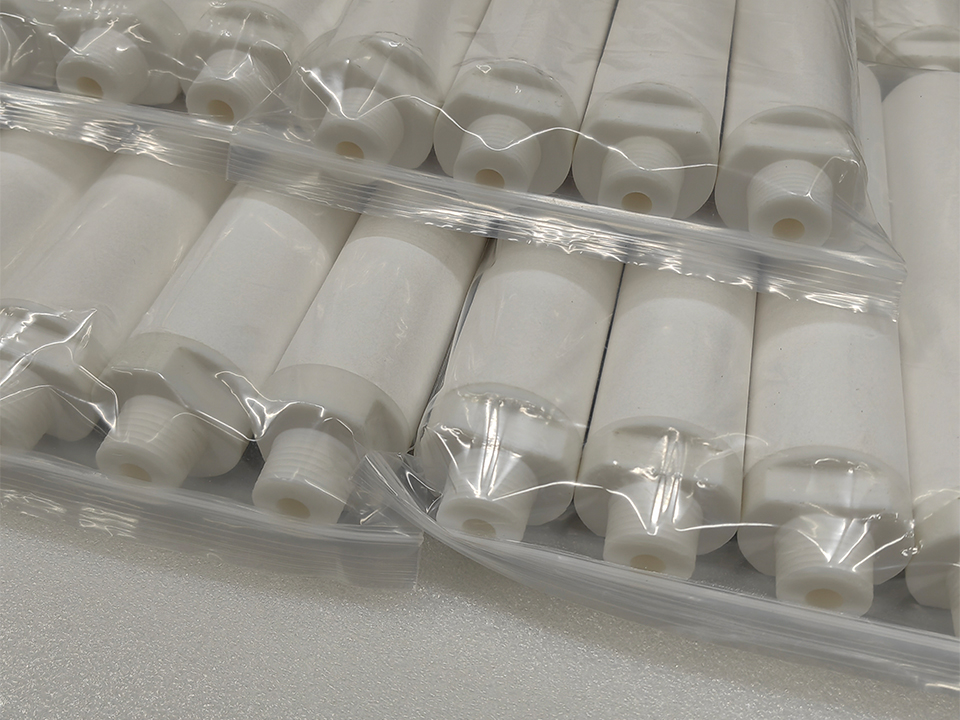
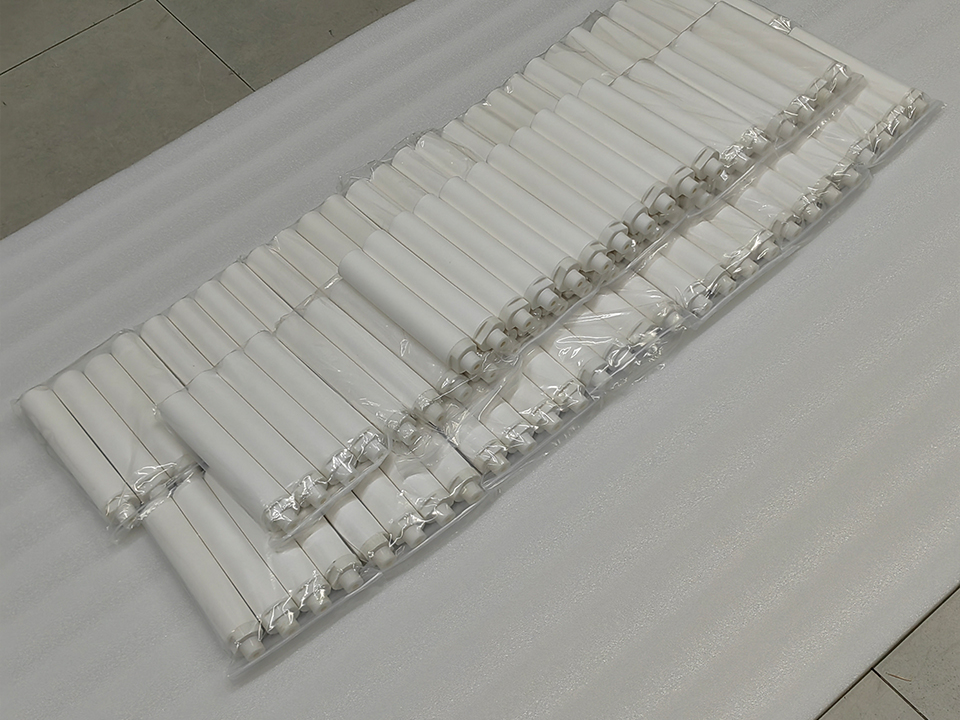
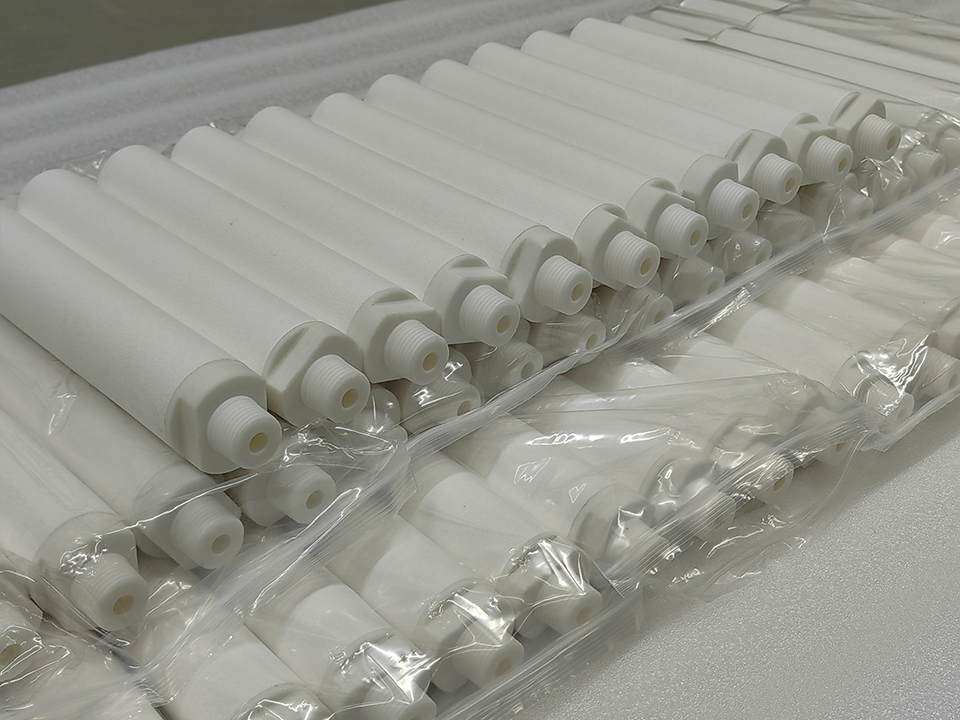
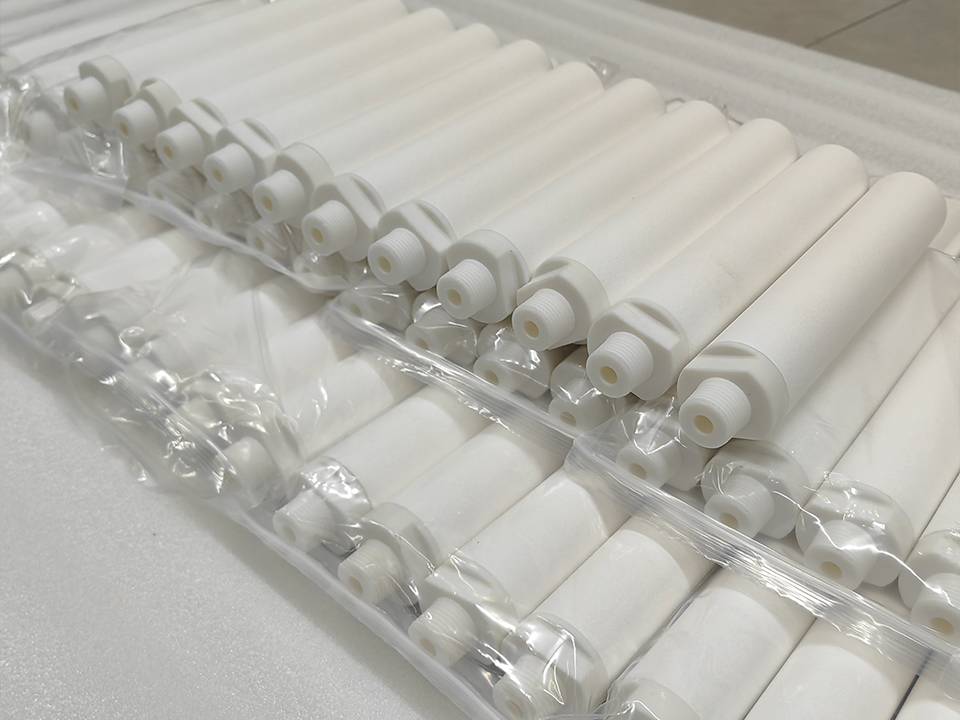
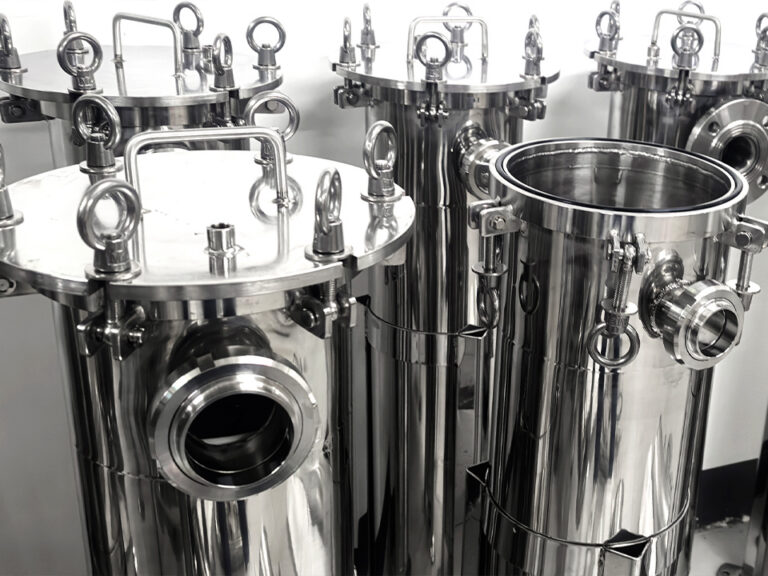
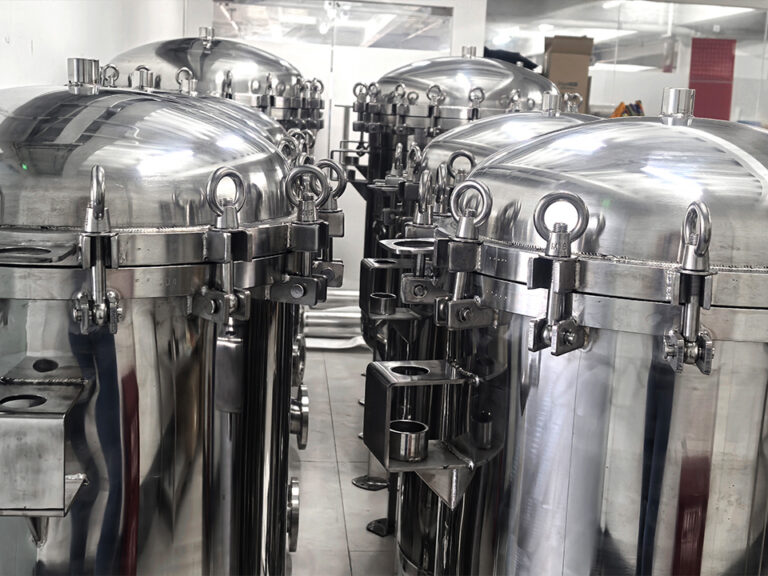
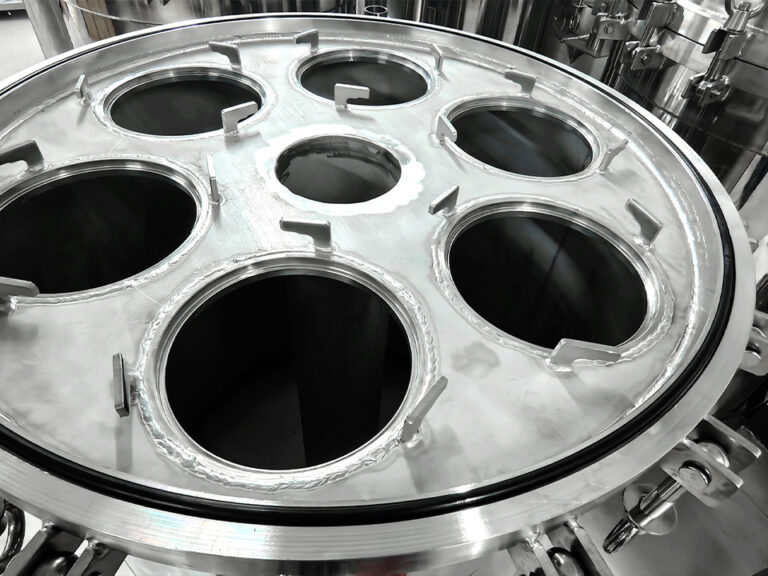
شركة قوانغتشو لفيوان لمعدات تنقية المياه المحدودة هي شركة تصنيع مرشحات صناعية تأسست في عام 2009 تقوم بتصميم وتصنيع علب المرشحات المصنوعة من الفولاذ المقاوم للصدأ، وخزانات المياه المعقمة المصنوعة من الفولاذ المقاوم للصدأ، وعناصر المرشحات، وأكياس المرشحات، ومواد البوليمر الفائق، ومنتجات المرشحات الملبدة. يختار المشترون Lvyuan لدعم تصنيع المعدات الأصلية/التصنيع حسب الطلب، ومراقبة الجودة ISO9001، وشهادات متعددة البلدان.
شركة قوانغتشو لفيوان لمعدات تنقية المياه المحدودة.
استراتيجية تغيير الخراطيش لخطوط المعالجة المسبقة لتحلية المياه
المفصلة الصامتة في معظم جداول تغيير الخراطيش
توجد الفلاتر بهدوء.
يمكن أن تبدو الخرطوشة غير ضارة على ورقة الصيانة في حين أنها تزيد بالفعل من ضغط التغذية، وتعيب تحت الكثير من المواد الصلبة، وتغطي على الترشيح الناقص للوسائط في المنبع، وتضغط على المشغلين نحو فاتورة تنظيف الأغشية التي لم يخصص لها أحد ميزانية. فلماذا لا تزال العديد من المحطات تغير الخراطيش حسب الجدول الزمني؟
سأذكر الجزء الذي لا يحظى بشعبية في البداية: عادةً ما لا يكون روتين استبدال خرطوشة الفلتر لمدة 30 يومًا أو 90 يومًا طريقة. إنها عادة شراء باستخدام سترة السلامة والأمان.
يدعم السجل الفني العام هذا الانزعاج. يشير تقييم لتحلية المياه بالتناضح العكسي لعام 2024 إلى أن التناضح العكسي يمثل حوالي 701 تيرابايت 3 تيرابايت من الاستخدام العالمي لتحلية المياه، مما يشير إلى أن الأخطاء الصغيرة في المعالجة المسبقة تتسع الآن إلى نفقات تشغيل ضخمة. أشار تقرير SWCC لعام 2023 إلى أن أنظمة فلاتر الخراطيش في المعالجة المسبقة للتحلية بالتناضح العكسي عادةً ما يتم تغييرها كل 3 أشهر، ولكن “عادةً” ليست مثل “مناسبة للاستهلاك أو الموسم أو الكثير من الطحالب أو جرعة التخثر أو هندسة الخرطوشة”.”
ما تفعله الخرطوشة بالفعل قبل قطار التناضح العكسي
فلاتر خرطوشة المعالجة المسبقة لتحلية المياه ليست موجودة لحفظ محطة المعالجة المسبقة السلبية. فهي الحاجز الأخير قبل مضخة الضغط العالي وأغشية التناضح العكسي.
مشاكل هذا التمييز. من المفترض أن تلتقط خرطوشة 5 ميكرومتر في المصب في تنقية الوسائط أو التفلور المعزز أو التفلور المعزز أو التفلور بالرذاذ المتردد لالتقاط الطمي الكبير والألياف المكسورة وقطع القشرة والحديد المحمول والحصى العرضي الذي لا ينبغي أن يصل إلى فاصل طبقة الغشاء. في تحلية المياه المالحة، التصنيفات الشائعة هي 1 و2 و5 و10 و25 ميكرومتر، مع استخدام 5 ميكرومتر بشكل شائع؛ وكثيرًا ما يتم تحديد انخفاض إجهاد الخرطوشة النظيفة أقل من 0.2 بار، بينما يتم تحديد الاستبدال عادةً بحوالي 0.7- 1.0 بار، أو 10- 14 رطل لكل بوصة مربعة.
هذه هي لعبة الفيديو الحقيقية: ليس “إلى متى استمر الفلتر؟” بل “ما الذي منعه الفلتر من الدخول في قطار RO؟”
إذا كانت الخرطوشة تلتقط القليل من أطنان التلميع، فلا بأس. أما إذا كانت تقوم بإزالة المواد الصلبة اليومية بشجاعة، فإن المعالجة المسبقة من المنبع تكون سيئة.
الضغط التفاضلي هو الشاهد الأول وليس الاختبار كله
الضغط التفاضلي لمرشح الخرطوشة هو انخفاض الضغط في جميع أنحاء وعاء الخرطوشة، ويتم تحديده بين صنابير المنبع والمصب عند سعر تدفق معروف.
هل الأمر بسيط؟ نعم. ملائمة؟ لا.
تعاملت وثائق مكتب التحسين في منطقة PVRO الخاصة بمكتب التحسين مع الضغط التفاضلي عبر مرشحات الخراطيش كإشارة لحماية الغشاء، وحذرت من أن الفشل في تغيير الخراطيش قد يقصر من عمر غشاء التناضح العكسي ويتلف المضخة تدريجيًا. هذه هي النسخة النظيفة. التباين الأكثر قذارة هو: يخبرك الضغط التفاضلي بحدوث شيء ما بالفعل، ولكنه لا يخبرك باستمرار بالسبب.
سجلات تقنية تغيير خرطوشة الفلتر الرائعة:
تدفق التغذية لكل وعاء أو لكل قطار
إجهاد المنبع والمصب
مستوى درجة الحرارة
خراطيش SDI15 قبل وبعد الخراطيش
العكارة، من الناحية المثالية بوحدة قياس التعكر مع ملاحظات المناسبة
TOC/COD طوال أحداث الطحالب أو الصرف
نوع الخرطوشة، والحجم، وتصنيف الميكرون، والغطاء الطرفي، ورقم اللقطة الكاملة
تغيرات التخثر وإزالة الكلور، بما في ذلك FeCl3 وبولي دادماك متعدد الأكسدة متعدد الكلور و NaOCl وSMBS
ساعات التشغيل الحقيقية، وليس أيام التقويم فقط
هنا هي الحقيقة الصعبة: إذا كانت SDI تأتي بأكثر من 0.5 خلال عدد الخراطيش بشكل منتظم، فإن الخرطوشة ليست مجرد حارس. إنها تعوض عن المعالجة المسبقة المتوقفة عن العمل. هذه ليست قصة نجاح خرطوشة. هذا هو تحقيق المنبع.
نوع الخرطوشة يعدّل إعدادات الفشل في إعدادات الفشل
A خرطوشة فلتر العمق الذائب PP يعمل بشكل مختلف عن خرطوشة الغشاء المطوي. تقوم وسائط العمق بالتحميل التدريجي، وعادةً ما تكون ذات قدرة أكبر على الاحتفاظ بالأوساخ. توفر الوسائط المطوية مساحة أكبر واحتفاظًا أكثر وضوحًا، ولكن يمكن أن تعمى سريعًا عند ظهور منتج عضوي أو حمأة حديدية أو مواد عضوية تشبه الزيت.
A خرطوشة استبدال الحطام PP من وزارة الطاقة يمكن أن يكون معقولًا تمامًا في حل التلميع منخفض المخاطر، ومع ذلك لا أحب هندسة DOE في التزامات مياه البحر القاسية حيث تصبح التعبئة الرملية وخطر التجاوز وانضباط الختم النهائي مؤلمة. عادة ما تكون SOE مع الحلقات O المزدوجة هي الإجابة الهندسية الأفضل بكثير عندما يشهد الخط تقلبات الضغط.
للتلميع الرائع أو الحل المتخصص، أ خرطوشة مرشح بطبقة غشاء PP/PTFE مطوية قد تبدو جذابة من الناحية النظرية. ولكن من فضلك لا ترمي خراطيش بحجم 0.2 ميكرومتر في خط تحلية مياه متسخ قبل التحلية وتسميه تصميمًا متميزًا. هذه هي الطريقة التي تشتري بها انخفاض الضغط بأمر.
عندما تكون المواد الصلبة صلبة أو حادة أو عدوانية حراريًا، فإن 1 ميكرون SS316 خرطوشة فلتر متكلس مسامي SS316 يمكن أن يكون منطقيًا في مسؤوليات محددة لترشيح السوائل المتخصصة. ومع ذلك، في المعالجة المسبقة للتناضح العكسي للمياه المالحة، فإن التجميع الكامل مهم: الخرطوشة، ومانع التسرب، ولوحة التثبيت، ومعدن الوعاء، والتحكم الذاتي في أنبوب التصريف، واستعداد السائق للتوقف قبل الانهيار.
يستخدم روتين تغيير فلتر الخرطوشة الأكثر فعالية ثلاثة مشغلات في نفس الوقت.
في البداية، استخدم الضغط التفاضلي الطبيعي. لا تقارن dP يوم الاثنين عند التدفق 80% مع dP يوم الجمعة عند التدفق 100% وتتصرف بأن لديك اتجاه.
ثانيًا، عمر خدمة الغطاء. كما أنه إذا ظل dP منخفضًا، فإن النمو العضوي، والحمل، وزحف الغطاء النهائي، والجيوب الثابتة يمكن أن يستمر في إصابتك. في مياه البحر الجيدة مع وجود SDI15 باستمرار أقل من 2، يمكن أن تعمل الخراطيش في كثير من الأحيان لفترة أطول بكثير؛ في خدمة SWRO النموذجية، فإن 6-8 أسابيع هي توقعات بداية يمكن الدفاع عنها، وليس تشريعًا.
ثالثًا، وضع دليل إرشادي للمناسبات. يحتاج المد الأحمر، أو جريان العواصف، أو الجرف، أو صيانة السحب، أو كسر ألياف UF، أو جرعة زائدة من الحديديك، أو ارتفاع مفاجئ في التعكر إلى نقل الخرطوشة من “مستهلك روتيني” إلى “كيس إثبات”.”
يعد مثال Nemmeli SWRO من تشيناي تحذيرًا مفيدًا لأنه يربط تجربة التشغيل الفعلية بارتفاع COD/TOC والشظايا البيضاء الخفيفة التي تؤثر على تشغيل المياه المالحة نظرًا لعام 2019؛ وهذا بالضبط نوع من عدم استقرار المواد العضوية والجسيمات التي تضر بفترات تغيير صفائح التبريد الباردة.
جدول نهج تغيير الخرطوشة
الطريقة
عندما يستخدمه المشغلون
ما الذي يحله
ما الذي أخطأت فيه
حكمي
بديل التقويم فقط
كل 30 أو 60 أو 90 يومًا
سهولة الشراء والتوظيف
يتجاهل الطحالب والأعاصير وتغيرات الدورة الدموية وفشل المنبع
مقبول فقط كحد أقصى للعمر الافتراضي
مشغل الضغط التفاضلي
ضبط عند 0.7- 1.0 بار أو 10- 14 رطل لكل بوصة مربعة
تتبع التعبئة الفعلية
تضليل إذا لم يتم تطبيع التدفق
أفضل مشغل أساسي
المشغل المستند إلى SDI
التغيير أو التقييم عند تغيير تعديلات SDI أو تقييمها
ربط سلوك الخرطوشة بخطر تلويث التناضح العكسي
بطيء، يدوي، يعتمد على المشغل
جيد للتشخيص الطبي
الاستبدال المستند إلى الحدث
بعد العواصف، والزهور، والوصول إلى القشرة، وكسر UF
يلتقط حالات الفشل القبيحة في العالم الحقيقي
يمكن رفع الاستثمار الاستهلاكي
ضروري لخطوط المياه المالحة
السياسة المتكاملة
DP + SDI + وقت التشغيل + سجل المناسبات
أرصدة الخطر والمصروفات
يتطلب الانضباط
التقنية الجادة الوحيدة
فقط كيفية تعديل مرشحات الخراطيش في خطوط المعالجة المسبقة لتحلية المياه
العمل ميكانيكي، لكن الاستدلال ميكانيكي، لكن الاستدلال جنائي.
أغلق وعاء الخرطوشة أو افصله وفقًا لإجراءات الإغلاق الخاصة بالمصنع. قم بإزالة الضغط تدريجيًا. استنزاف الأنابيب بالكامل. افتح العقار وافحصه قبل لمس المكونات. هل الخراطيش محملة باستمرار؟ هل أحد الجانبين أكثر اتساخًا؟ هل الأغطية الطرفية مشوهة؟ هل هناك حمأة أو حصى مغطاة أو حمأة برتقالية حديدية أو فيلم عضوي أسود أو رمال معبأة بالقرب من القاع؟
بعد ذلك قم بإزالة الخراطيش دون تحويل الوعاء مباشرة إلى حدث تلوث. رتب مناطق سطح الجلوس. افحص الزنبركات، وألواح التثبيت، والحلقات على شكل O، وأعمدة المنشأة، وحواف الشفرة، وصنابير الضغط التفاضلي. قم بتركيب الخراطيش الجديدة حسب المجموعة الكاملة والتعليمات. سجل الترتيب الميكروني والمادة والطول والنوع النهائي والأحرف الأولى من اسم المشغل.
ابدأ التشغيل بعناية. تنفيس الهواء المحصور بالهواء. تدفق المنحدر. سجل شريط تسجيل dP مرتب على نفس أساس الدوران الذي ستستخدمه لاحقًا.
ولكن فيما يلي أكثر ما أقدّره: احتفظ بعينة خرطوشة واحدة غير نظيفة بعد عمليات التشغيل غير المعتادة. اقطعها. صورها. إذا كان المصنع يفقد أداء التناضح العكسي، فإن تلك الخرطوشة أقل تكلفة من فحص الغشاء بعد الوفاة وعادة ما تكون أكثر صدقًا من المؤتمر.
الفاشل الذي لا ينوي أحد الاعتراف به: التجاوز
التجاوز أسوأ من التوصيل. خرطوشة موصولة تصرخ من الإجهاد. خرطوشة تجاوز تبتسم وترسل الجسيمات إلى المصب.
سجل الفحص التجريبي لتحلية مياه البحر في سكاترغود درسًا صريحًا من تجربة تحلية مياه البحر السابقة في SWRO: كان على السائقين مراقبة الضغط التفاضلي لخرطوشة الفلتر مراقبة دقيقة لأن الخراطيش غير المراقبة يمكن أن تنحرف وتسمح بتجاوز مباشر لجوانب SWRO.
يجب تثبيت هذه الجملة في كل منطقة تحكم.
إذا رأيت انخفاض DP خلال ظروف التغذية القذرة، فلا تحتفل مبكرًا جدًا. يمكن أن يعني انخفاض dP المنخفض مياه نظيفة. كما يمكن أن يشير أيضًا إلى فقدان الختم، أو مكون منهار، أو ضغط سلبي للغطاء الطرفي، أو خرطوشة مكسورة، أو طول خرطوشة مكسورة، أو طول خرطوشة خاطئ، أو وعاء تم إنشاؤه بواسطة شخص ما على عجل عبر نوبة مقبرة.
الأسئلة الشائعة
ما هو أفضل جدول زمني لتغيير فلتر الخرطوشة لخطوط المعالجة المسبقة لتحلية المياه؟
إن أفضل جدول زمني لتغيير مرشح الخرطوشة هو دليل إرشادي قائم على البيانات يدمج الضغط التفاضلي لخط الأساس النظيف، والتدفق المستقر، وتغيير SDI، وتعكر التغذية، والمخاطر الموسمية، والحد الأقصى لوقت الحل لكل قطار، بدلاً من نسخ تاريخ جدول زمني تم التعامل معه من ورقة المورد. في هذه التقنية، ابدأ بالضغط التفاضلي المستقر، وتأكد من SDI، وتجاوز الجدول الزمني بعد ازدهار الطحالب أو العواصف أو مناسبات التغطية أو أعطال المرشحات في المنبع.
ما هو الضغط التفاضلي لمرشح الخرطوشة الذي يجب أن يؤدي إلى الاستبدال؟
يجب أن يتم تشغيل الضغط التفاضلي لمرشح الخرطوشة كبديل عندما يصل انخفاض الضغط الطبيعي إلى التقييد المعتمد من المحطة، وعادةً ما يكون حوالي 0.7- 1.0 بار أو 10- 14 رطل لكل بوصة مربعة في محلول المعالجة بالتناضح العكسي، بافتراض أن التحليل يتم عند مستوى تدفق ودرجة حرارة مماثل. الرقم ليس سحريًا. النمط مهم أكثر من علامة الإنذار.
كيف تغير بالضبط مرشحات الخراطيش في خطوط المعالجة المسبقة لتحلية المياه؟
يشير تغيير فلاتر الخرطوشة في خطوط المعالجة المسبقة لتحلية المياه إلى عزل الوعاء وإزالة الضغط منه، وتقييم المكونات المتسخة، وتنظيف الأسطح الآمنة، وتغيير الخراطيش مع التحقق من درجة وهندسة الغطاء الطرفي، وإعادة التنشيط ببطء، وتهوية هواء التنفيس، وتسجيل الإجهاد التفاضلي النظيف. إن إجراء الفحص ليس اختياريًا لأن نمط التحميل أو الحثالة أو الحمأة الحديدية أو الحمأة الحديدية أو الالتواء يخبرك بما تفعله المعالجة المسبقة في المنبع.
هل خراطيش PP المنفوخة بالذوبان أفضل من الخراطيش المطوية للمعالجة المسبقة لمياه البحر بالتناضح العكسي؟
غالبًا ما تكون خراطيش PP المنفوخة بالذوبان أفضل بكثير للمعالجة المسبقة للمياه المالحة القذرة أو المتغيرة بسبب حقيقة أن هيكلها العميق يتحمل تعبئة المواد الصلبة، في حين أن الخراطيش المطوية تكون أفضل عندما تكون التغذية مستقرة وتكون هناك حاجة إلى الاحتفاظ بشظايا أكثر حدة أو مساحة سطح أعلى. يمكن أن يؤدي الاختيار غير الصحيح إما إلى التعمية السريعة أو السماح بمخاطر مفرطة في المصب.
متى يجب على المشغلين استبدال الخراطيش قبل نظام إنذار الضغط؟
يحتاج المشغّلون إلى استبدال الخراطيش قبل نظام إنذار الضغط عند وجود دليل على وجود خطر غير طبيعي على مياه التغذية، بما في ذلك المد الأحمر أو الأمطار الغزيرة أو التجريف أو تلف ألياف التردد فوق العالي أو جرعة زائدة من ألياف التجلط أو شظايا الأصداف أو حركة غير متوقعة من SDI أو الوحل البيولوجي أو ارتفاع غير مبرر في انخفاض ضغط التناضح العكسي. يتراخى انتظار DP وحده عندما يكون المدخول قد تغير بالفعل.
بناء لائحة التغيير قبل أن يبدأ نظام الإنذار في الصراخ
لا تحتاج محطة تحلية المياه إلى استبدال الخراطيش بشكل بطولي. فهي تحتاج إلى دليل خرطوشة منظم.
إنشاء خط أساس نظيف ل dP. تطبيع كل تحليل. تتبع SDI15. صورة خراطيش غير مألوفة. أغطية جدول زمني مختلف عن تنشيطات التغيير الحقيقية. توقف عن إرضاء العمر الطويل للخرطوشة إذا كان قطار التناضح العكسي خلفها يتلوث بصمت.
بالنسبة لخطوط المعالجة المسبقة لتحلية المياه، فإن أفضل استراتيجية بديلة لفلتر الخرطوشة ليست تلك التي تستخدم أقل عدد من الخراطيش. إنها تلك التي تحافظ على عمر طبقة الغشاء، ومضخات الضغط العالي، وأمان الاسترداد، وموثوقية السائق عندما تتوقف مياه البحر عن العمل.